By Lekhotso Mokatsa
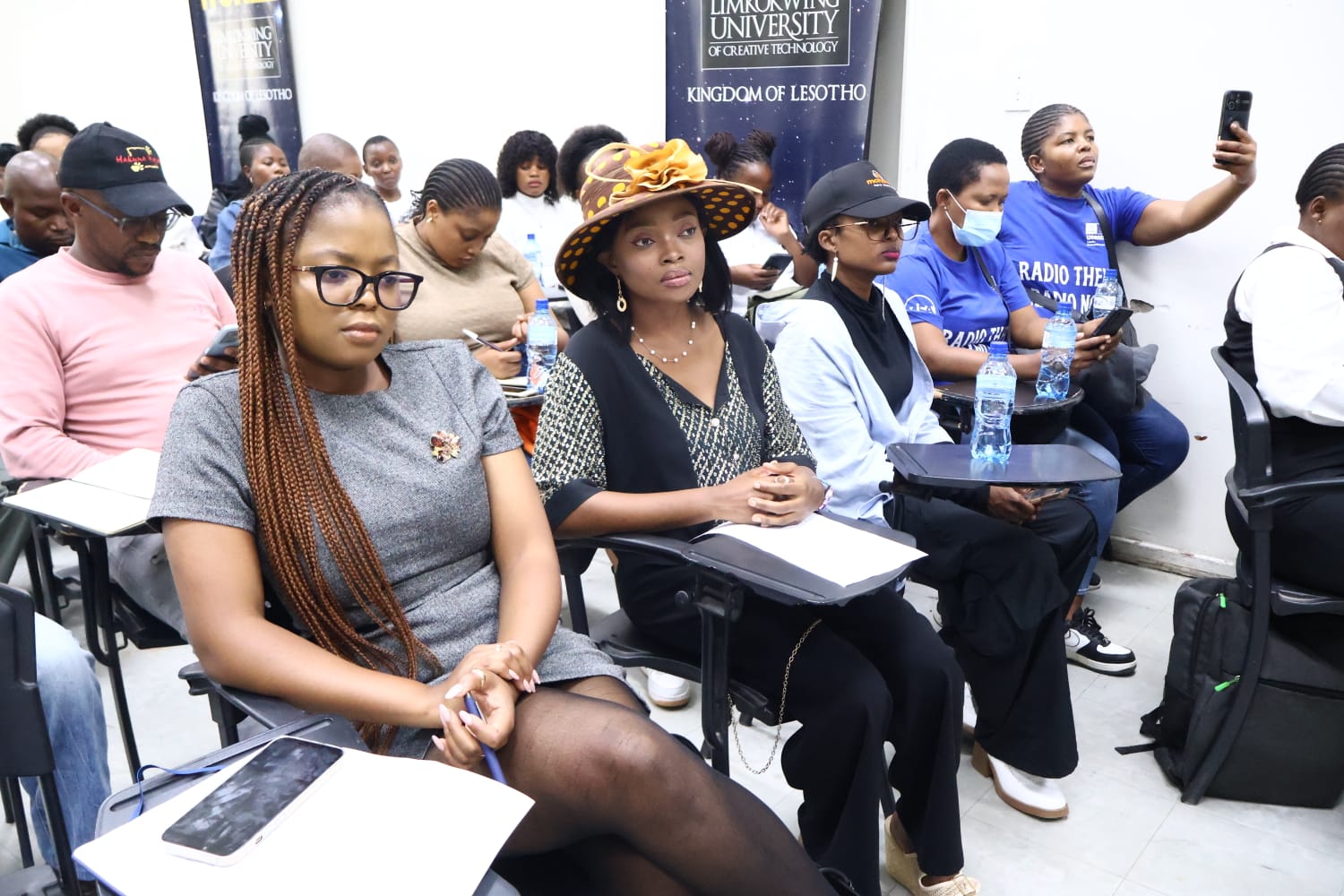
In celebration of World Radio Day, the Basotho Media Development Agency (BMDA), with support and mentorship from the Media Institute of Southern Africa (MISA) Lesotho, in collaboration with UNESCO, the Lesotho Communications Authority (LCA), and Limkokwing University of Creative Technology (LUCT), hosted an event on Friday 13th, at the LUCT main campus aimed at bridging the gap between traditional broadcasting and the rapidly evolving digital media landscape.
The proceedings were steered by April Mahase, who served as the day’s program director, guiding the event through its various segments, ensuring the event resonated with the energy and significance of the global celebration. This year’s global theme, “Radio and Artificial Intelligence,” calls on the broadcasting sector to examine how new technologies are transforming content production, audience interaction, and ethical standards in the industry.
Opening the event, Limkokwing University of Creative Technology (LUCT) Registrar Mateboho Moorosi noted that radio remains one of the oldest yet most effective forms of communication, largely due to its simplicity, affordability, and extensive reach.
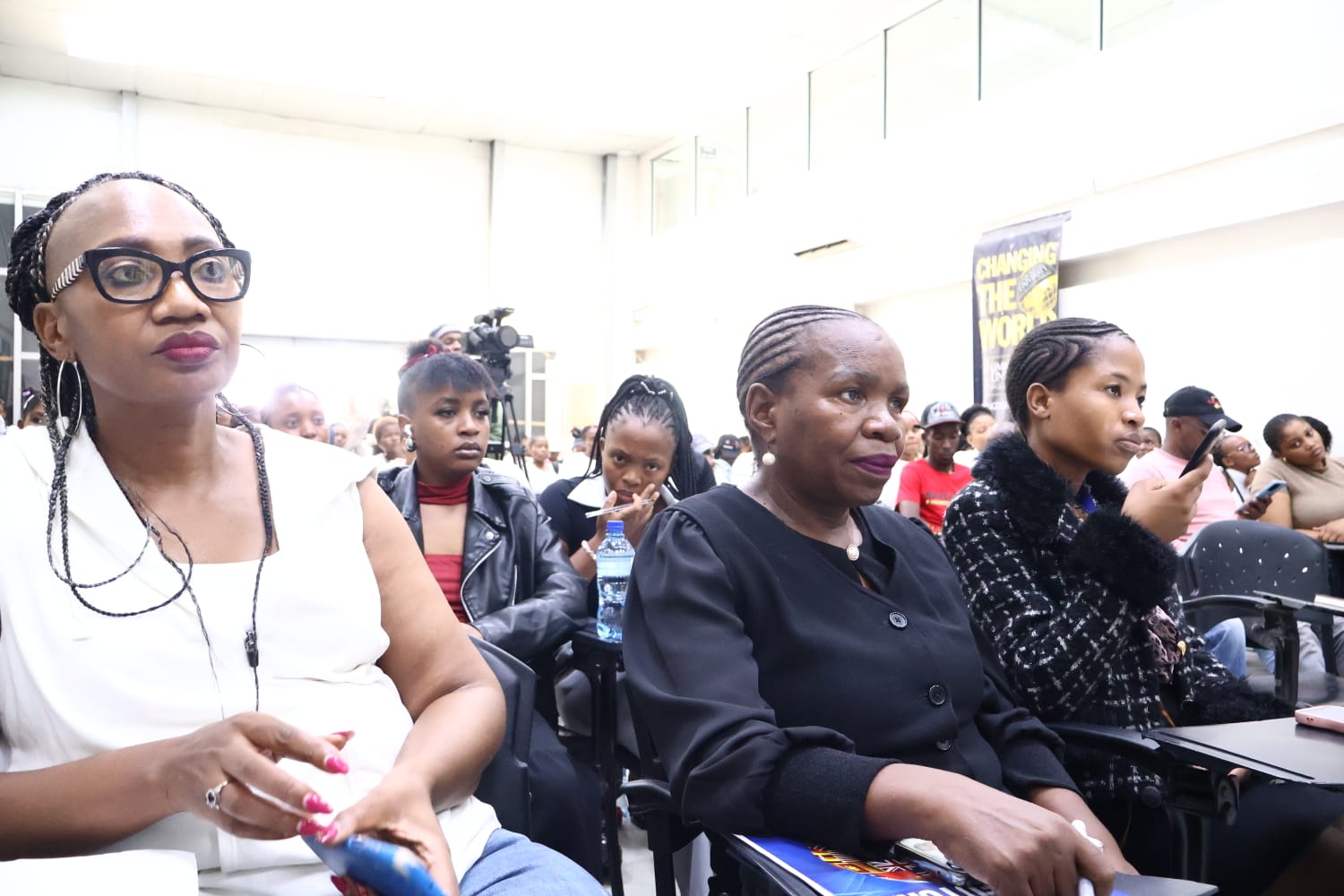
She explained that radio continues to provide a vital platform for freedom of expression, enabling citizens to debate national and social issues that directly affect their lives. Through radio, the public also gains access to information on government policies and political campaigns.
“As we mark World Radio Day, we must applaud broadcasters, journalists, presenters, and technicians who work tirelessly behind the scenes to keep the public informed,” Moorosi said.
Lesotho National Commission for UNESCO, Communications and Information Programme Coordinator, Tieho Rankhone described radio as more than just a medium, calling it a pillar of dignity and expression. He emphasized that during times of crisis, radio remains one of the most reliable and accessible sources of information, particularly for marginalized communities.
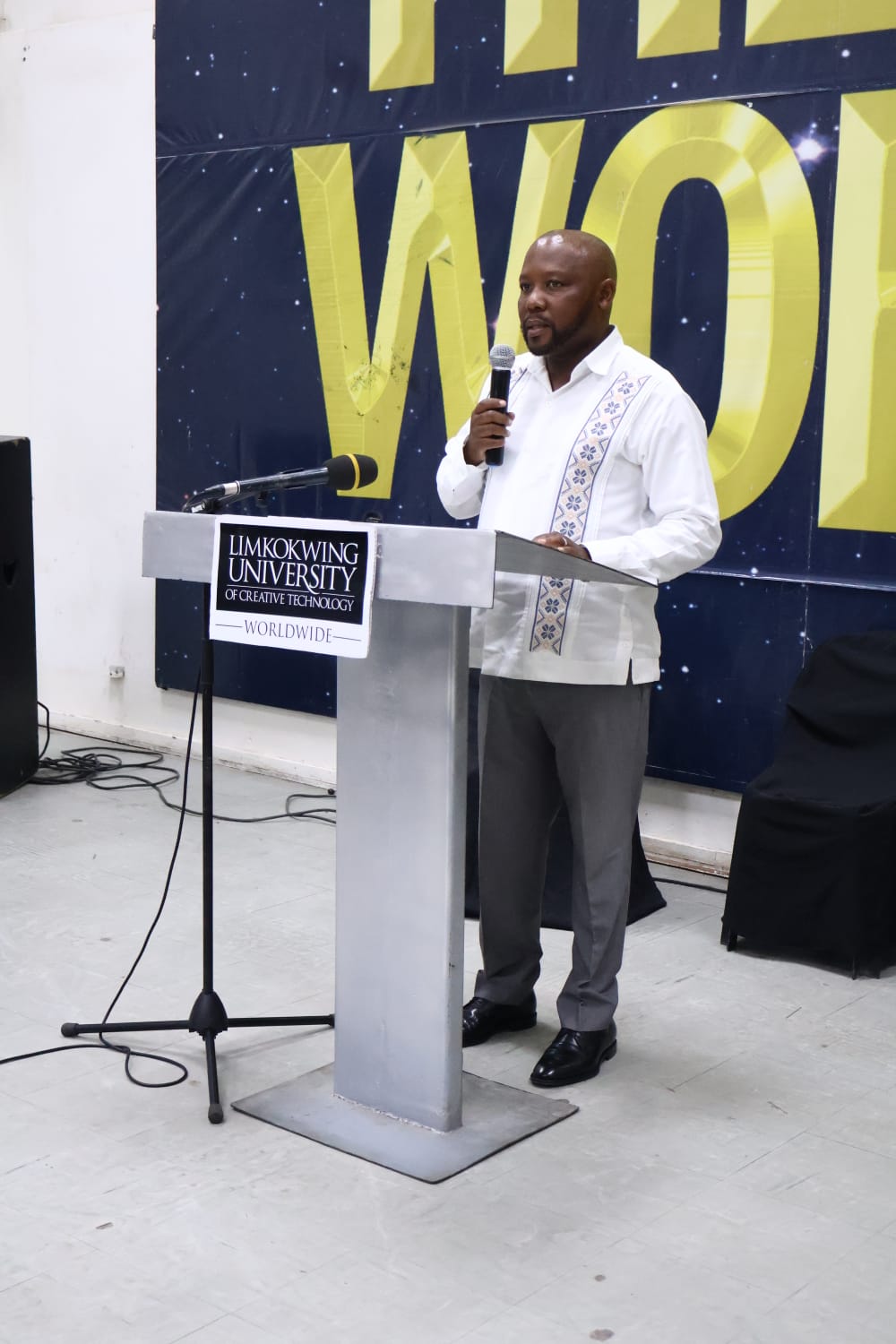
Rankhone highlighted that radio is now experiencing rapid change, with artificial intelligence emerging as a major influence. He said AI is opening new opportunities by enabling broadcasters to produce content more efficiently, better understand audience preferences, and reach wider markets.
“If used ethically, AI can strengthen radio’s core mission of connecting people and building public trust. However, when misused, it can also erode that trust,” he cautioned.
He concluded by urging broadcasters to ensure that AI serves the public interest rather than the reverse, stressing that radio must continue to inform with integrity, connect with empathy, and retain its human voice.
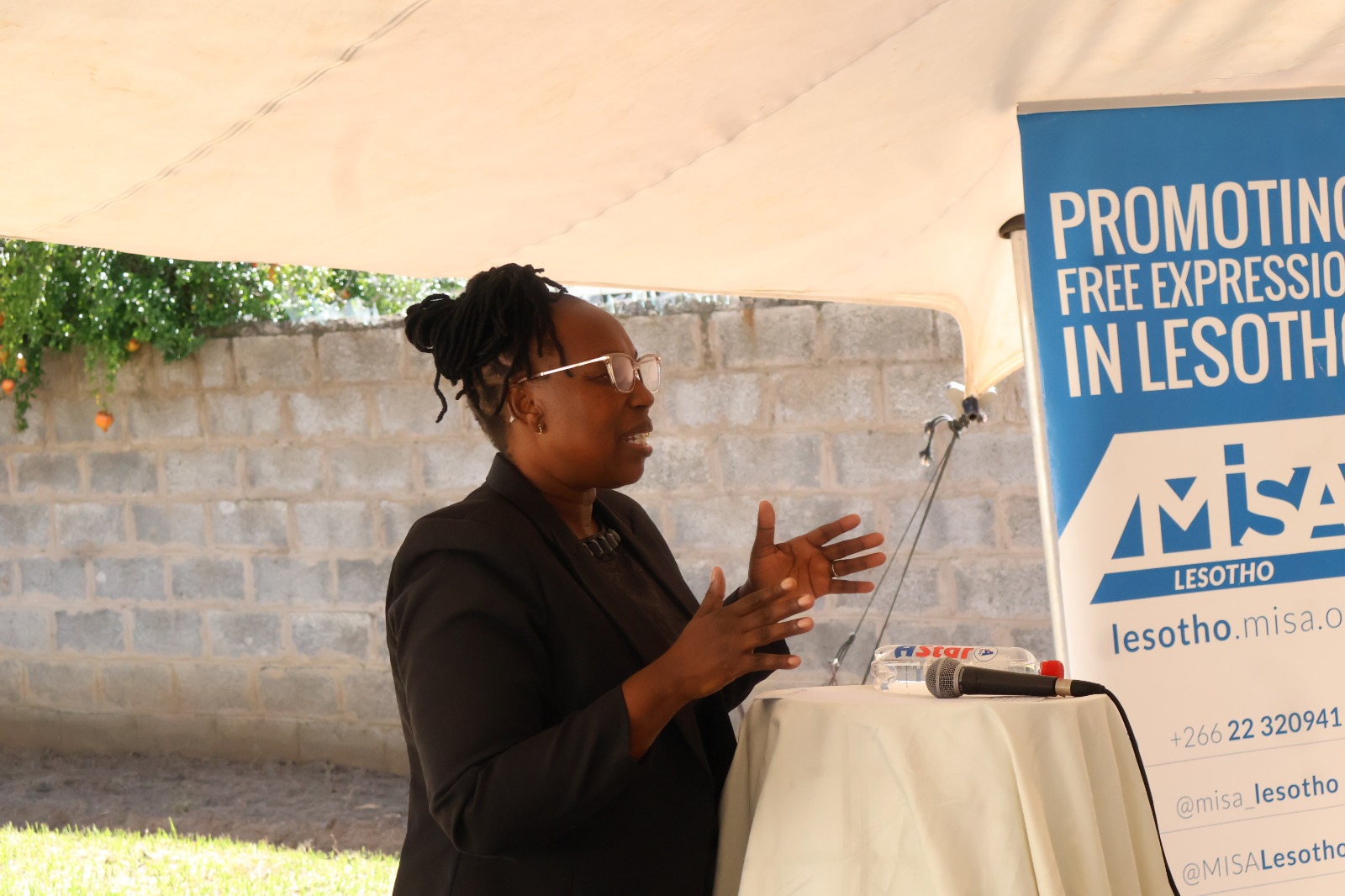
Following these remarks, Acting National Director of MISA Lesotho, Nicole Tau, underscored that trust is fundamental to the media profession. She warned that failure to fact-check content generated or supported by AI could result in a complete loss of audience trust.
“Many journalists neglect fact-checking. As broadcasters, it is your responsibility to verify information before sharing it with the public,” she emphasized.
Tau further noted that similar fears arose with the introduction of cameras, computers, and other technologies, which were once seen as threats to employment. She argued that while AI is indeed revolutionary, it should be viewed as an “assistant” that supports rather than replaces journalists.
She encouraged broadcasters to embrace AI responsibly, remain aware of its limitations, and ensure it does not replace their voices. Transparency in the use of AI, she added, is essential, as the quality of AI output depends largely on its user.
Deputy Chairperson of BMDA, Itumeleng Lebajoa, stated that radio has long been one of Lesotho’s most powerful and accessible communication platforms, playing a key role in informing citizens, educating communities, and strengthening democracy.
She noted that artificial intelligence is now influencing how information is gathered, produced, distributed, and consumed.
“As we reflect on these developments, we must ask how innovation can be embraced while preserving the values that make radio a trusted medium,” Lebajoa said. She added that AI can enhance newsroom efficiency, assist journalists in analyzing complex data, and expand language accessibility.
Lebajoa emphasized that credibility remains the greatest asset of any media house. She stressed that radio and artificial intelligence are not opposing forces but partners in innovation, provided that human values remain central. While production processes may become faster and more advanced, the essence of radio, human connection and storytelling must remain intact.
She concluded by calling on broadcasters to use World Radio Day as a moment to recommit not only to technology, but also to leadership, collaboration, and responsibility, ensuring that advances in AI continue to strengthen democracy, amplify diverse voices, and promote inclusive development in Lesotho.
Building on these insights, the event transitioned into a dynamic panel discussion moderated by seasoned media professional Boitumelo Koloi. The panel brought together Nicole Tau, Mamello Mosaefane lecturer from LUCT in the faculty of communication, media and broadcasting, LCA Broadcasting Officer Thato Seheri and Executive Producer from Mohale FM Sebolelo Rathebe, Executive Producer at Mohale FM. Together, the speakers delved deeper into the practicalities of the digital transition, debating how the theories of AI integration can be applied to the daily realities of Lesotho’s newsrooms.
The event was formally concluded by the BDMA Chairperson, Mamello Mochesane, who presided over the final wrap-up of the day’s proceedings. The spirit of collaboration that defined the gathering solidified a shared commitment among stakeholders, leaving the audience with a forward-looking vision for a technologically empowered yet ethically grounded media landscape in Lesotho.