By Liteboho Matela
“Journalists, don’t make it to the newspapers unless it’s for the wrong reasons.”
It was a heavy line to open the room; half warning, half confession. It became clear that this was not going to be a typical media event with prepared remarks and polite applause. This was a day of difficult honesty: journalists speaking about what it is costing them to do their work in Lesotho, and what must change if “media freedom” is to mean more than the right to publish.
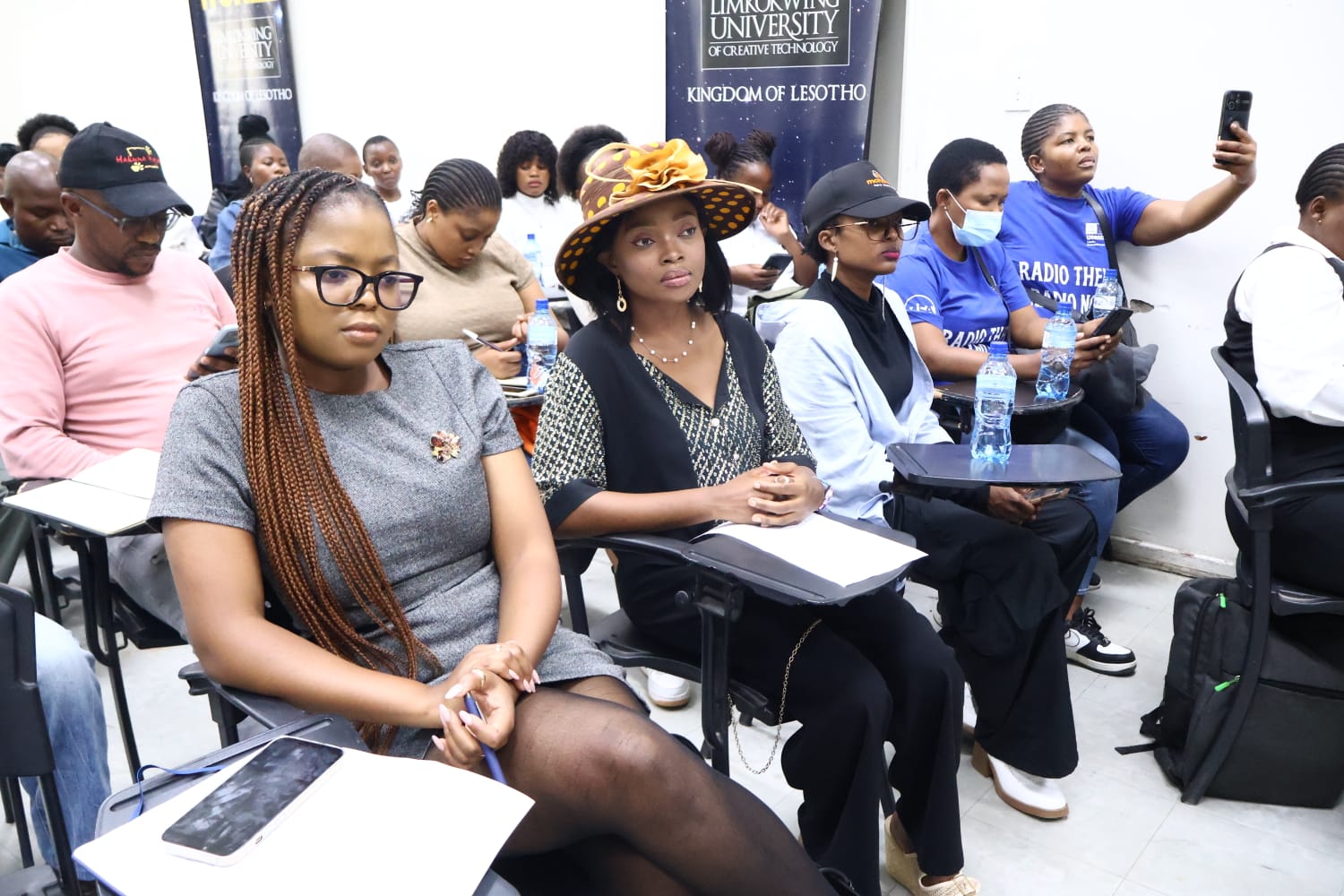
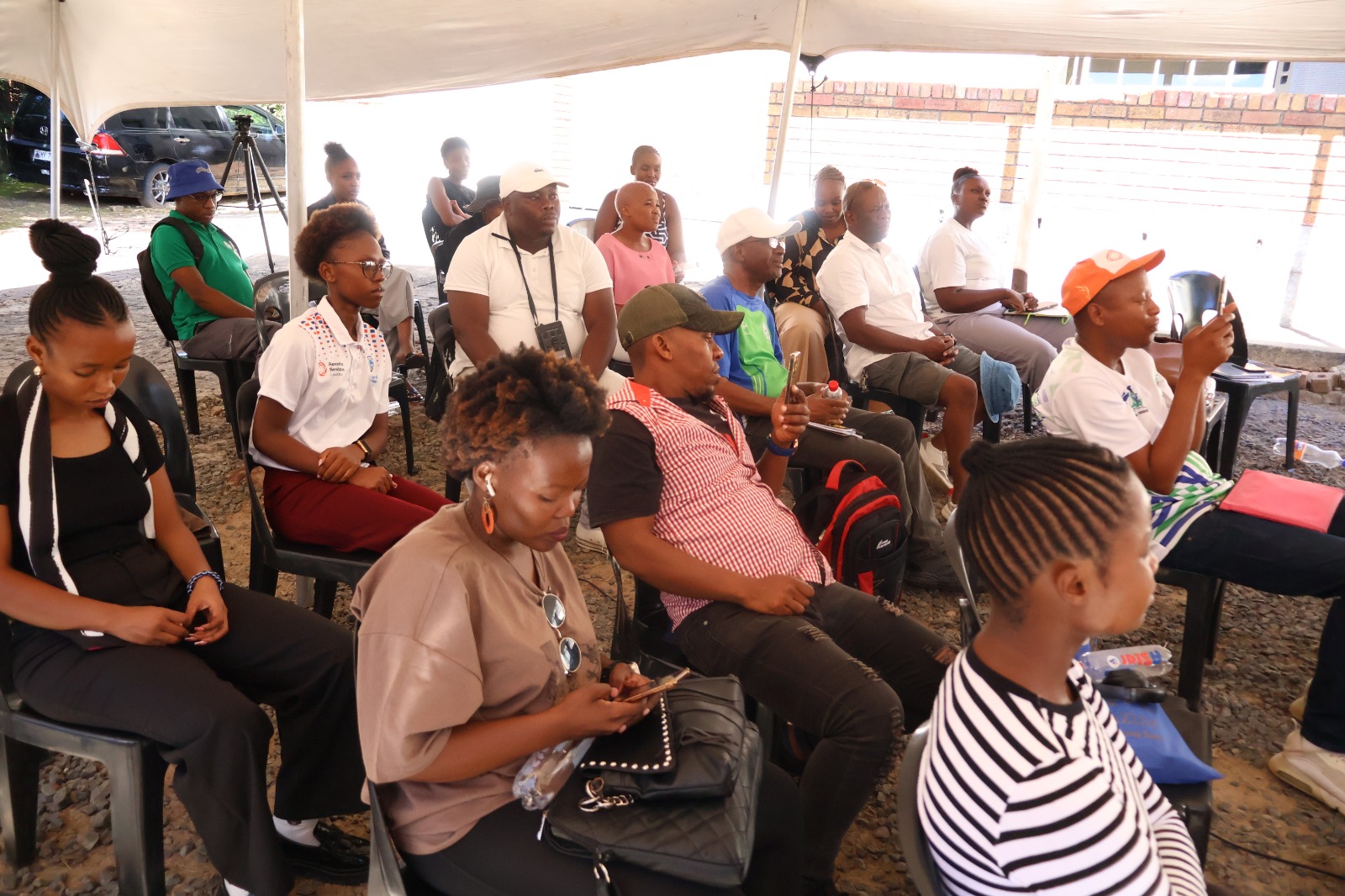
On Friday, 27 February, MISA Lesotho hosted a safe-space dialogue at its premises, bringing together journalists, activists and mental-health professionals to confront the growing personal risks attached to public-interest reporting intimidation, censorship, workplace abuse and the mental strain that accumulates when the job repeatedly places people in harm’s way.
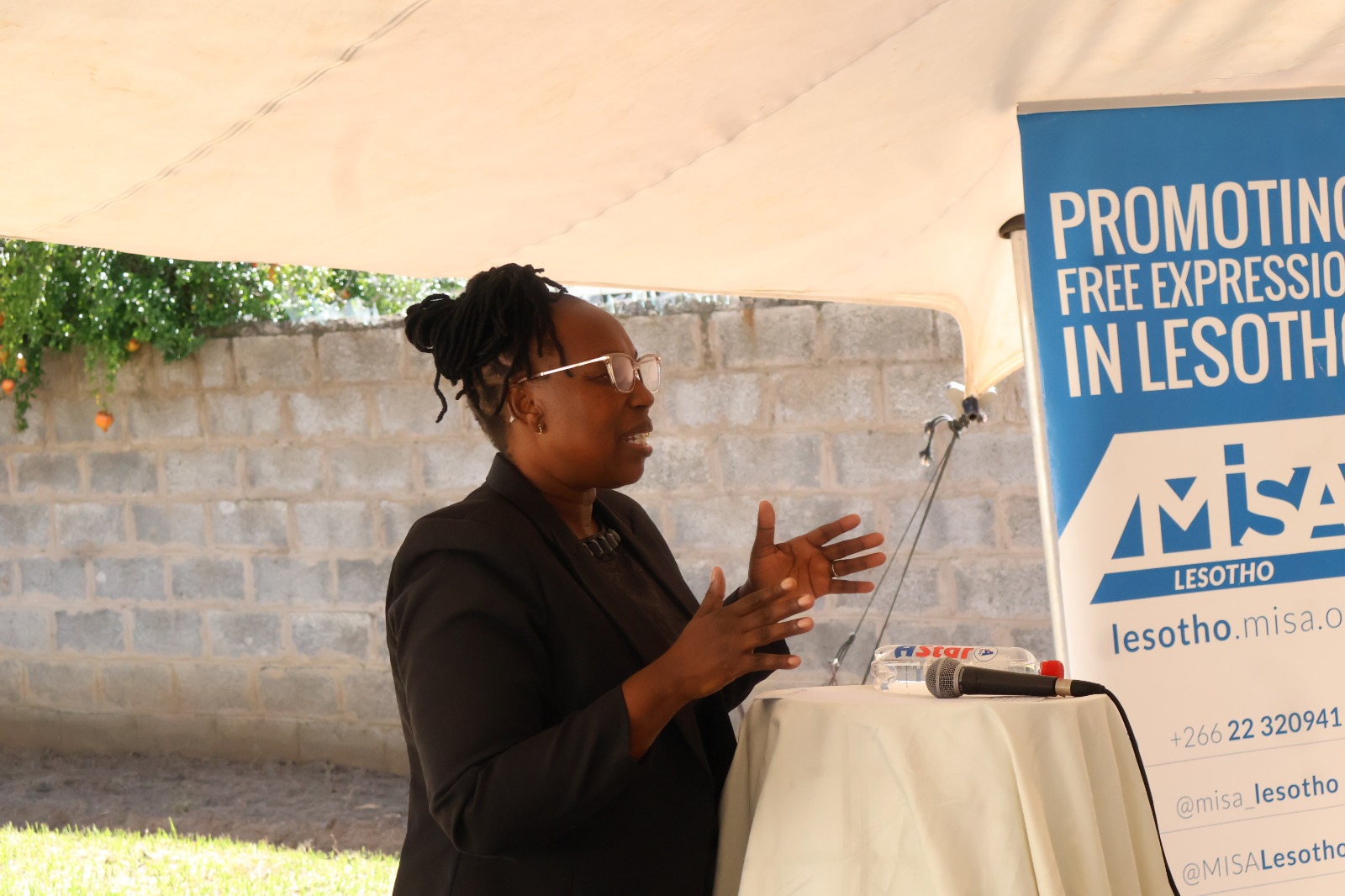
Opening the session, MISA Lesotho Acting National Director Nicole Tau framed the gathering as both an advocacy platform and a care intervention.
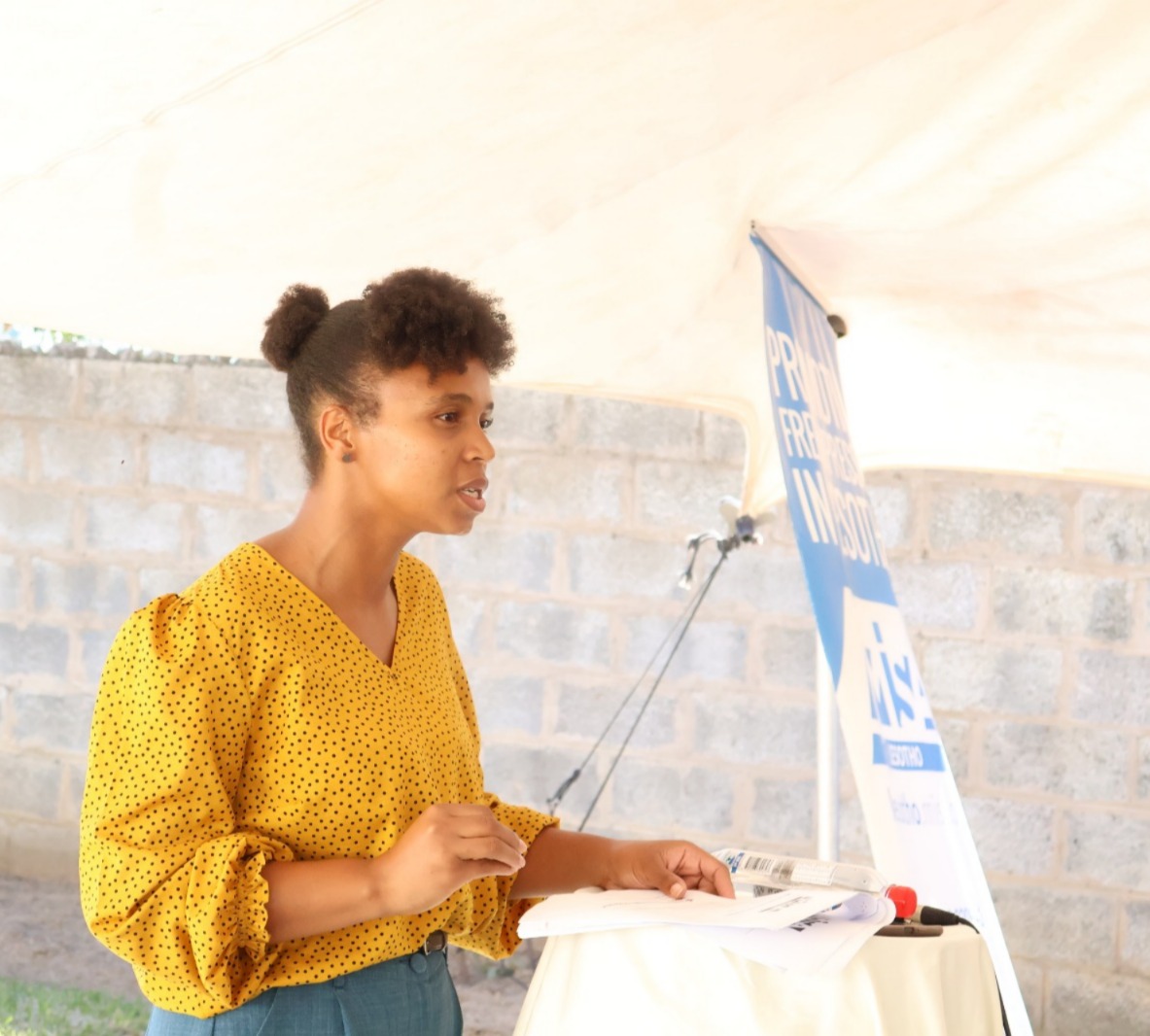
MISA Lesotho Acting National Director, Nicole Tau
“We must reframe media freedom,” Tau stated. “It is not only the right to publish; it is the right to work safely, to tell the truth without being punished, and to receive support when the work breaks us.”
Her remarks set the tone for testimonies that were emotional and at times unsettling not because they were sensational, but because they were familiar. Several journalists described a climate where threats are not exceptional but are expected.
Renowned veteran journalist Marafaele Mohloboli, with over two decades of experience, spoke about what it means to report critically in an environment where power can reach into both professional and private life.
She described repeated death threats, persistent insults, and what she experienced as indifference when she sought help from the police. More troubling, she said, were attempts to silence her work through bribery, direct censorship and intimidation. At one point, she named threats allegedly made by a senior police officer, the kind of authority that makes fear feel unavoidable.
Her testimony also highlighted a legal and ethical dilemma journalists increasingly face; court pressure to disclose sources. Orders compelling journalists to reveal confidential sources were discussed as a serious threat to professional ethics and to personal safety. The choice is often impossible, protect a source and risk arrest or contempt charges, or comply and jeopardize lives and trust.
Beyond external threats, she touched on a layer of harm that often remains unspoken abuse from within the spaces where journalists should be safe. She described sexual harassment by a high-ranking official, workplace bullying, and a colleague’s refusal to testify when she reported a crime. The cumulative effect, she suggested, is the slow erosion of dignity and confidence.
Journalist and activist Motsamai Mokotjo focused on systemic intimidation, the kind that is baked into the profession and sustained by weak accountability.
“The nature of our job is very dangerous,” Mokotjo said, referring to arrests and threats used to discourage reporting or punish critical voices. He also pointed to the internal pressures within media organisations where management decisions are often shaped by corporate interests or political fear, effectively weakening editorial independence and isolating journalists who take the most risks.
Mokotjo’s primary warning was against normalization. When intimidation becomes routine, journalists begin to expect it, and once it is expected, it becomes easier for society to ignore. “We must refuse normalization,” he concluded, “because normalizing suppression allows it to become permanent.”
“I care about my mental health”
The perspective of younger journalists was delivered with striking clarity by Reitumetse Monkhi, who described bullying, exploitation and the instability that many early-career journalists face, during her time as an intern at a local radio station.
Her message cut through the room, “I don’t care about being blacklisted; I care about my mental health.”
It was more than a personal statement; it was a summary of a structural crisis. Economic precarity makes it nearly impossible for junior reporters to speak out. When salaries are small or unpaid and newsroom hierarchies are unforgiving, silence becomes a survival mechanism. Over time, that silence hardens into trauma.
“Journalists are known but not seen.”
The testimonies were anchored by 𝐌𝐚𝐤𝐚𝐦𝐨𝐡𝐞𝐥𝐨 𝐌𝐚𝐥𝐢𝐦𝐚𝐛𝐞, 𝐌𝐀 𝐂𝐨𝐮𝐧𝐬𝐞𝐥𝐥𝐢𝐧𝐠 𝐏𝐬𝐲𝐜𝐡𝐨𝐥𝐨𝐠𝐢𝐬𝐭, who emphasized that journalism involves repeated exposure to distress and that repeated exposure has consequences.
“Journalists are known but not seen; known but not heard,” she observed. She described how reporters are expected to report the crisis of others while receiving no support for their own. Chronic stress, she explained, alters cognitions, reduces concentration, and fuels anxiety and depression. This is not a sign of “weakness”, it is a predictable human response to sustained pressure.
Makamohelo urged media houses to view the “duty of care” not as a luxury, but as a professional responsibility, calling for clear workplace policies and psychoeducation.
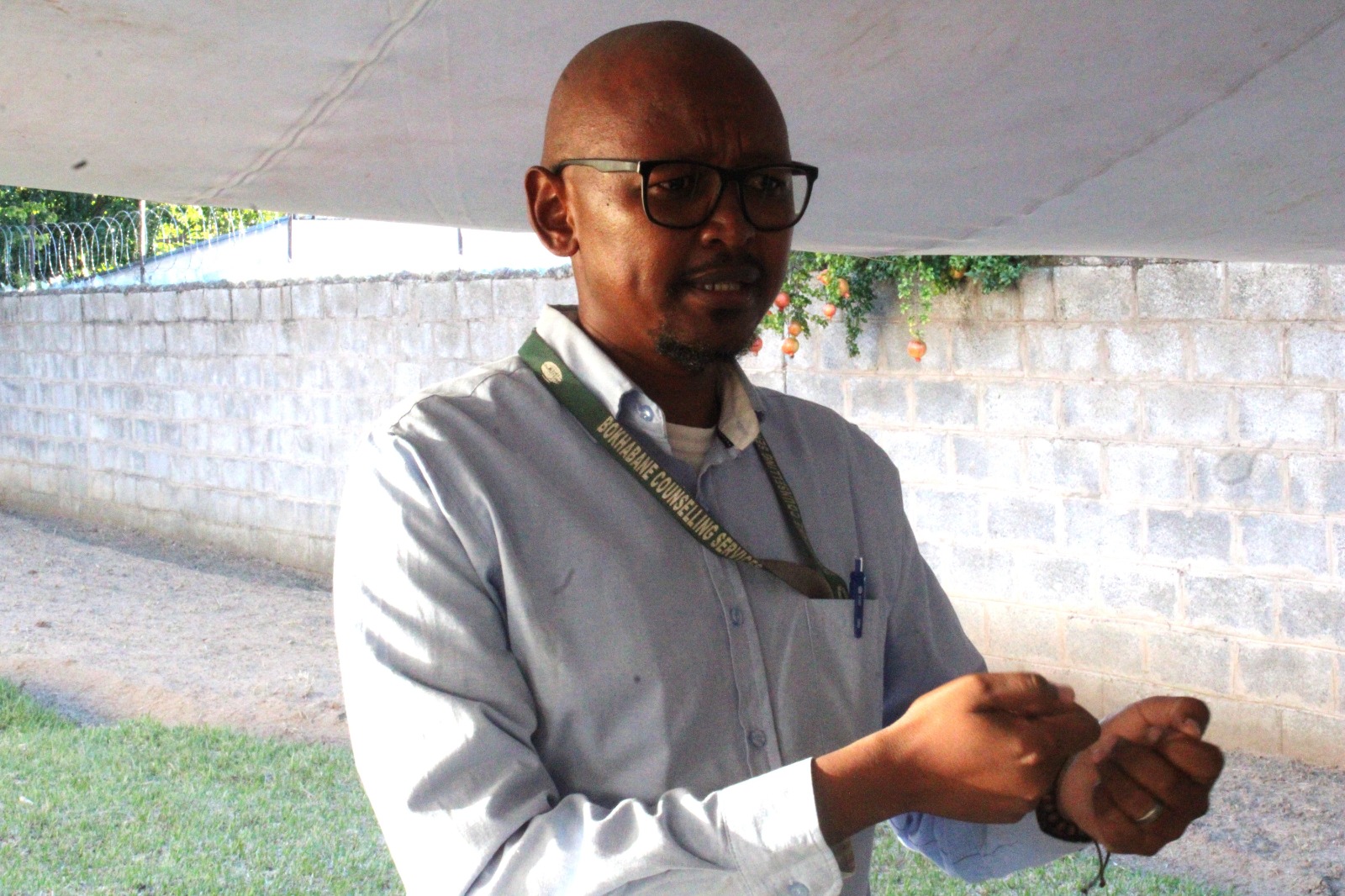
𝐌𝐨𝐞𝐤𝐞𝐭𝐬𝐢 𝐒𝐞𝐭𝐮𝐫𝐮𝐦𝐚𝐧𝐞, 𝐑𝐞𝐠𝐢𝐬𝐭𝐞𝐫𝐞𝐝 𝐂𝐨𝐮𝐧𝐬𝐞𝐥𝐥𝐨𝐫 (𝐁𝐨𝐤𝐡𝐚𝐛𝐚𝐧𝐞 𝐂𝐨𝐮𝐧𝐬𝐞𝐥𝐥𝐢𝐧𝐠 𝐒𝐞𝐫𝐯𝐢𝐜𝐞𝐬)
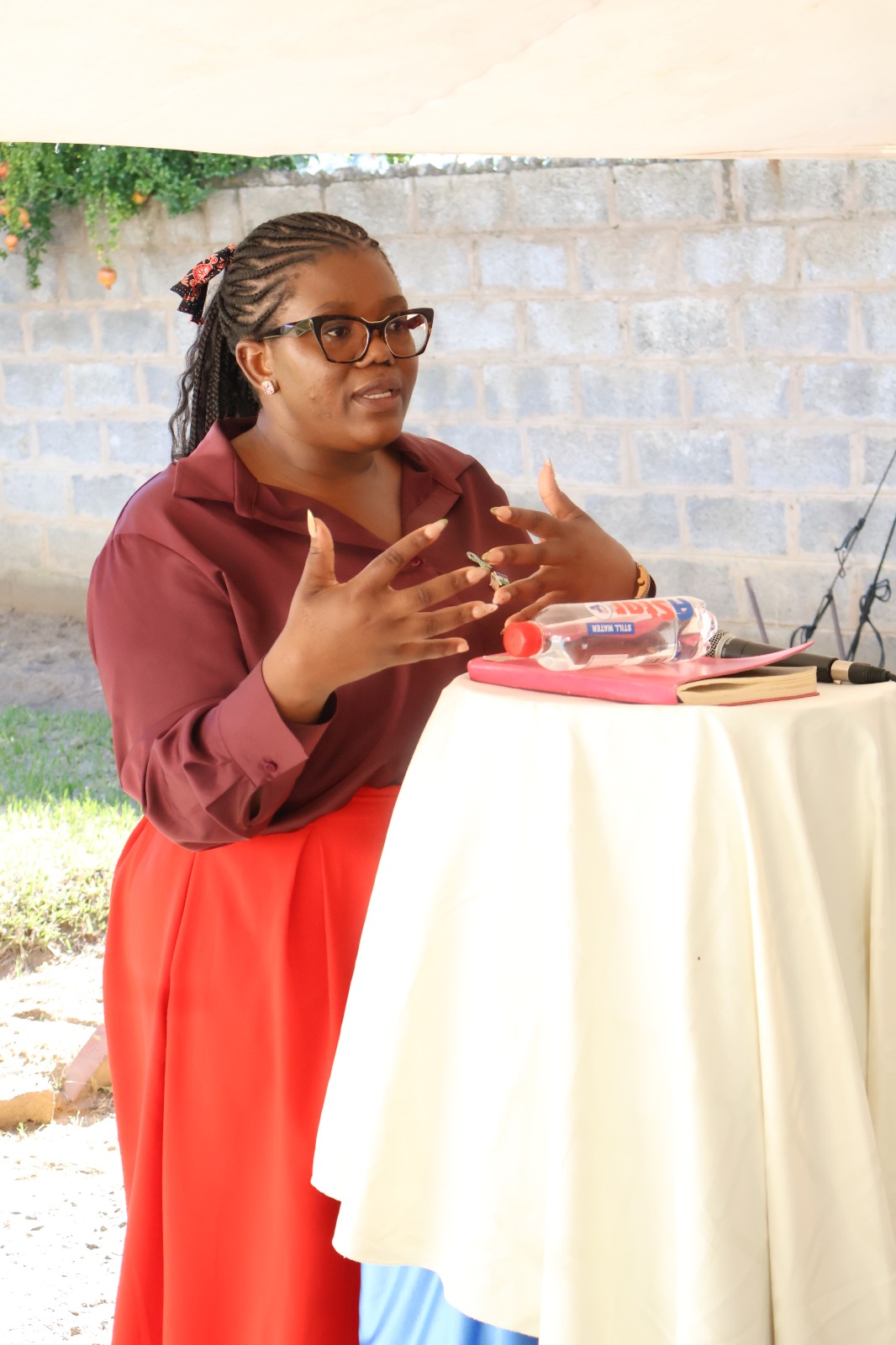
𝐌𝐚𝐤𝐚𝐦𝐨𝐡𝐞𝐥𝐨 𝐌𝐚𝐥𝐢𝐦𝐚𝐛𝐞, 𝐌𝐀 𝐂𝐨𝐮𝐧𝐬𝐞𝐥𝐥𝐢𝐧𝐠 𝐏𝐬𝐲𝐜𝐡𝐨𝐥𝐨𝐠𝐢𝐬𝐭 (𝐋𝐞𝐬𝐞𝐝𝐢 𝐌𝐞𝐧𝐭𝐚𝐥 𝐚𝐧𝐝 𝐁𝐞𝐡𝐚𝐯𝐢𝐨𝐫𝐚𝐥 𝐇𝐞𝐚𝐥𝐭𝐡 (𝐏𝐓𝐘) 𝐋𝐭𝐝.)
The session moved beyond naming the harm to identifying practical steps. Recommendations from participants; including Boitumelo Koloi, Dr. Clifford Molefe, and Khotsofalang Koloi included stronger informed consent practices to ensure sources understand risks and options, referral pathways and support networks linking journalists and vulnerable interviewees to counsellors, clear workplace policies to address bullying and harassment, means to make money as journalists to sustain the little income they get from their prospective works and trauma-informed training for journalists and editors.
Closing the session, MISA Lesotho Programs and Projects Officer Ms. Lineo Pene took to the podium, visibly beaming at the breakthrough the day had provided. She expressed a “hearty gratitude” to all participants, with special thanks to Marafaele Mohloboli for her courage and the mental health professionals for their vital insights.
“This event was never intended to be a once-off conversation,” Pene said warmly. “This is the start of a journey. We will continue to work with our partners to ensure that the support systems we discussed today become a permanent reality for Lesotho’s media community.”
As the room emptied later, the mood carried two truths at once: relief at being heard, and a sober understanding that speaking is only the beginning. Silence is not neutral; it is exactly what intimidation demands and what society pays for when journalists are forced to retreat.
For Lesotho’s media community, the message of the day was clear: journalism will always carry risk, but it should never require the surrender of safety, dignity, or mental wellbeing. To defend media freedom is to defend the people who practice it, with protection that is real, support that is accessible, and care that is long overdue.