By Ts’epang Lenka
On 19 March 2026, the Media Institute of Southern Africa (MISA) Lesotho convened a regional online dialogue bringing together journalists, editors, media leaders, and mental health professionals from across Southern Africa. Titled “The Cost of Silence: Regional Dialogue on Journalist Mental Health and Media Leadership,” the engagement focused on one urgent question: what is the true cost of journalism on those who practice it?
The dialogue formed part of MISA Lesotho’s Cost of Silence campaign, an initiative aimed at confronting the often-overlooked emotional and psychological toll of journalism. Drawing on findings from a regional survey conducted across the SADC region, the session created a platform for honest reflection, shared experiences, and practical solutions to better support journalists working in increasingly complex and high-pressure environments.
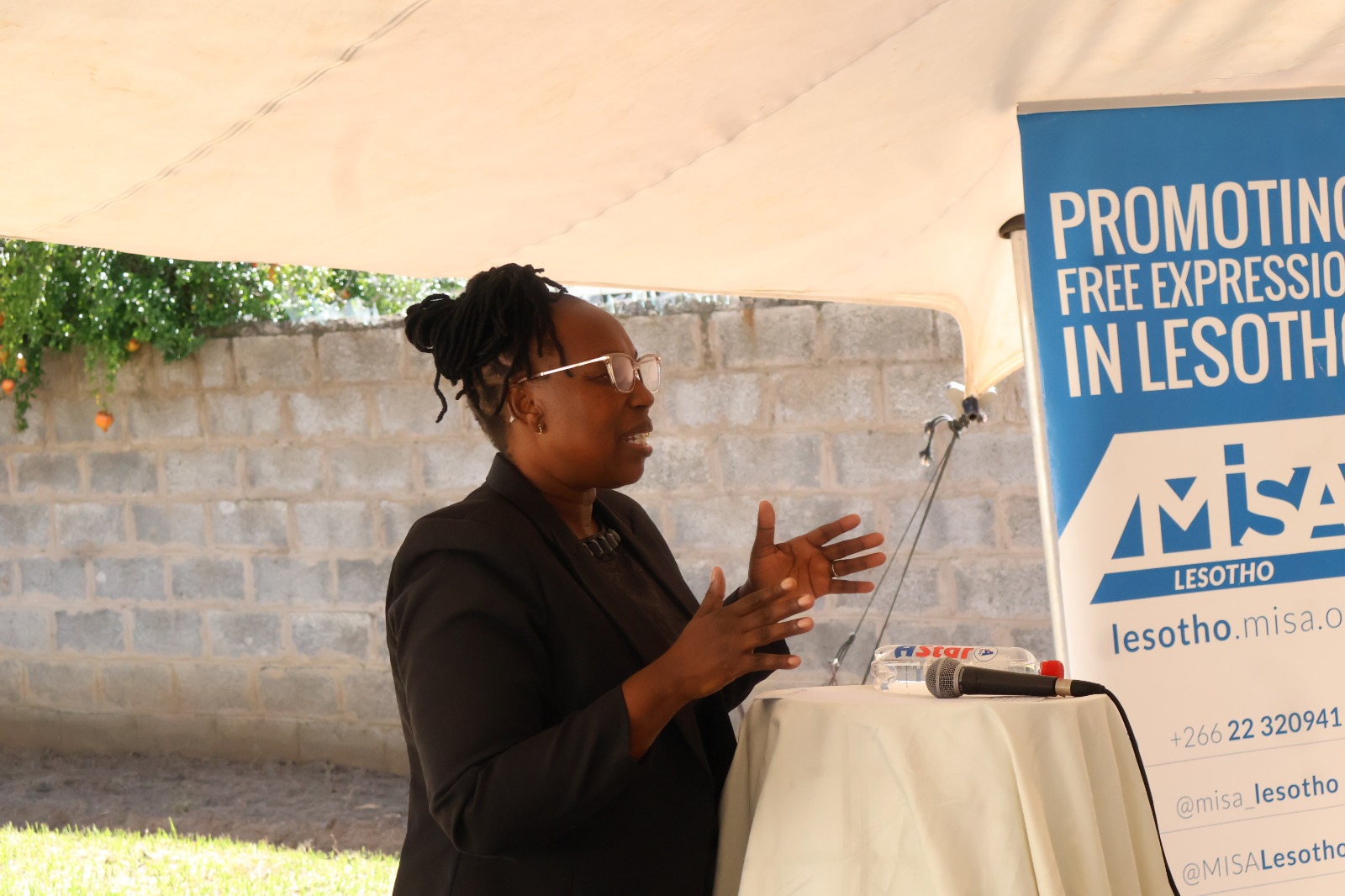
The session was hosted by Nicole Tau, Acting National Director at MISA Lesotho, who provided a comprehensive overview of the dialogue by clearly outlining its purpose, structure, and key focus areas. She also explained that the session was designed as an interactive dialogue, encouraging participants to share their insights, experiences, and perspectives, emphasising the importance of open discussion and collective reflection in addressing the mental health challenges faced by journalists.
Opening the session, Tau acknowledged partners and stakeholders across the region, including the support of DW Akademie, and framed The Cost of Silence as a campaign aimed at shedding light on the mental wellbeing of media professionals- an issue she noted has long been overlooked.
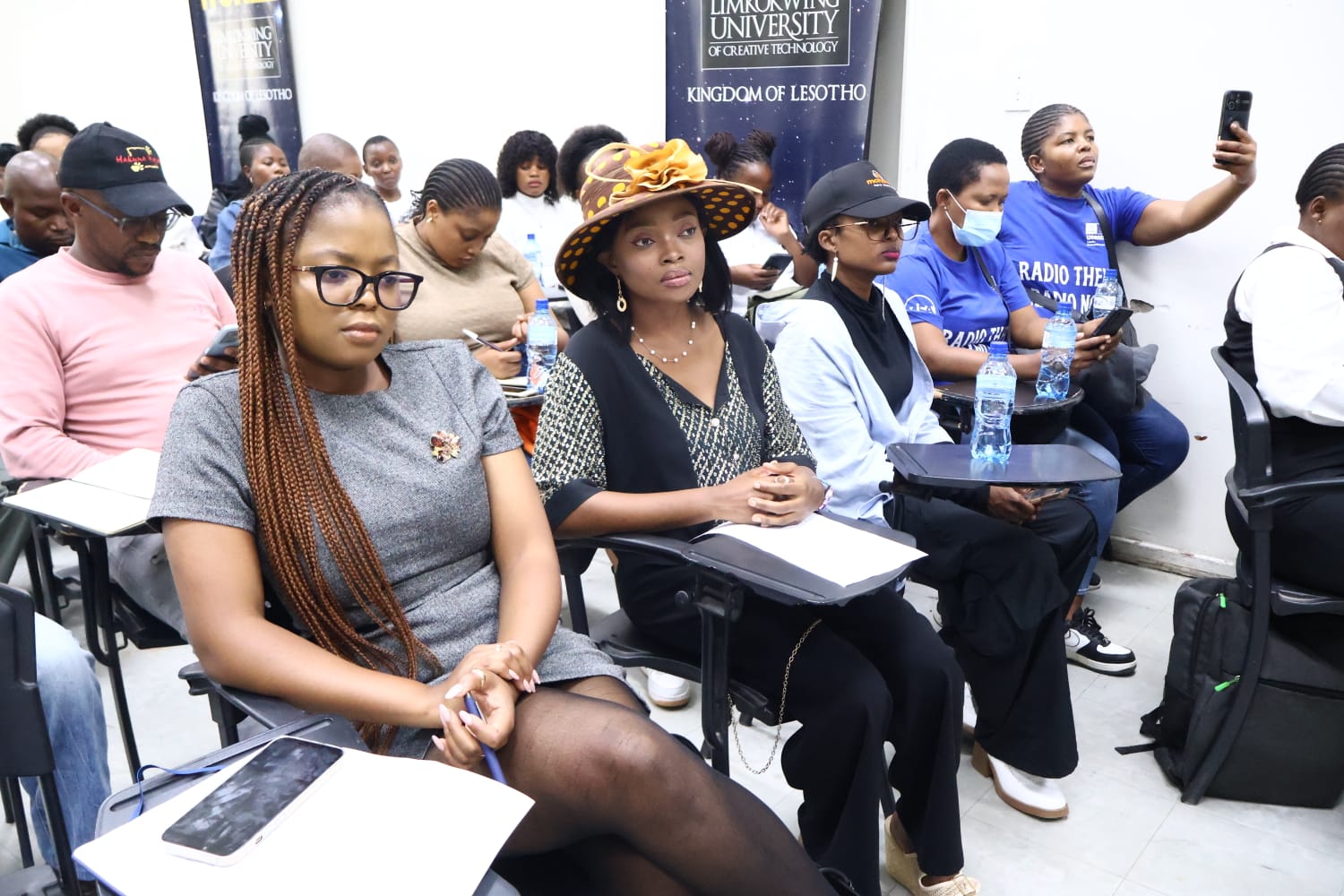
The dialogue brought together participants from various MISA chapters across the region, including Lesotho, Zimbabwe, Malawi, Zambia, and Mozambique, alongside government representatives and mental health experts. This wide representation highlighted that the issue of journalist wellbeing is not confined to one country, but is a shared regional concern requiring collective action and collaboration.
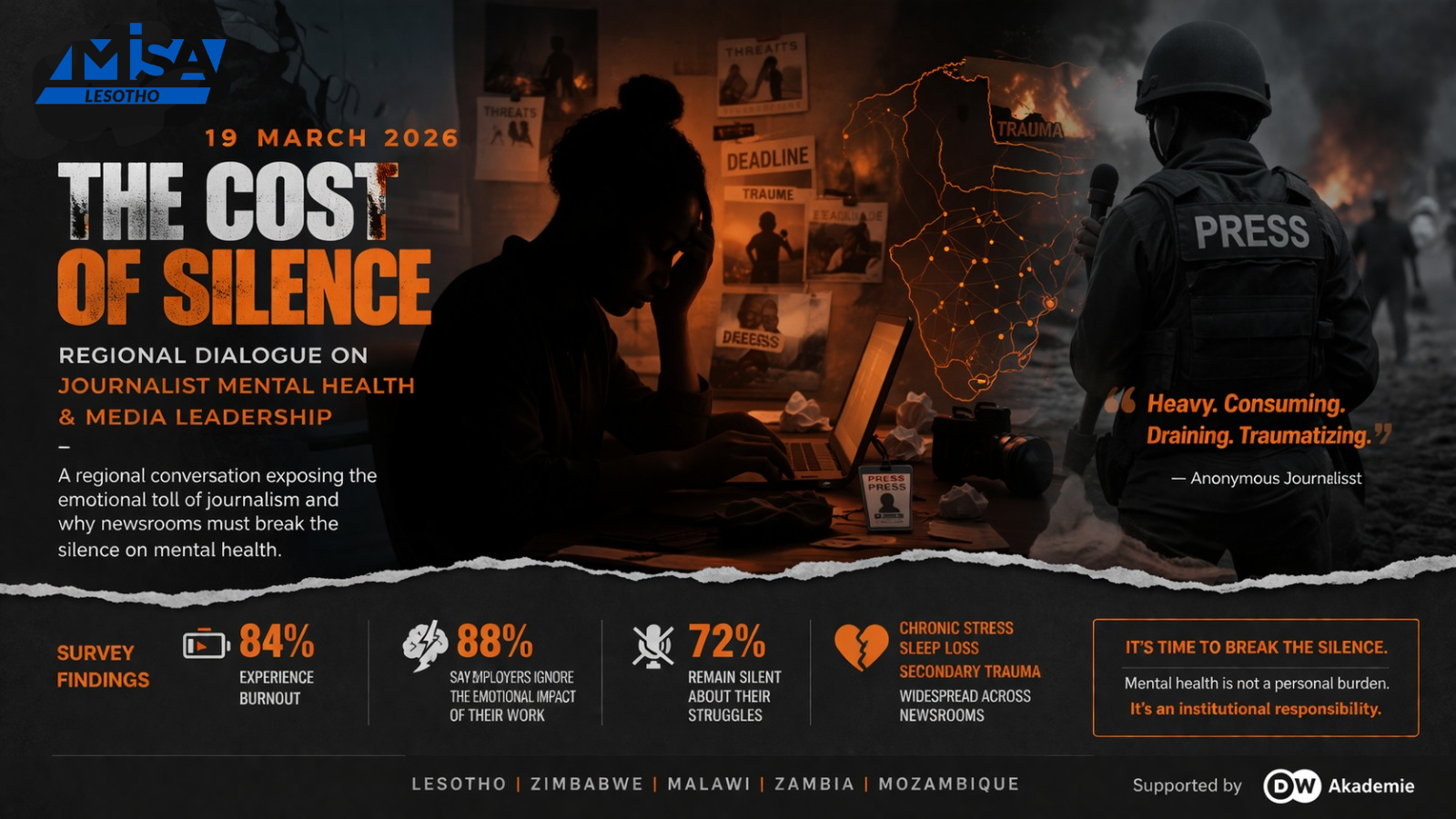
Drawing from findings of the Cost of Silence survey, the session revealed troubling patterns within the profession. A significant number of journalists reported experiencing burnout, chronic stress, sleep difficulties, secondary trauma, and loss of motivation as a result of their work. These challenges are compounded by newsroom environments that often fail to recognise or respond to the emotional impact of journalism.
Notably, 88% of respondents indicated that their employers do not take the emotional and psychological impact of their work seriously, pointing to what was described as institutional neglect within the media sector. Furthermore, 72% of journalists reported deliberately choosing to remain silent about their struggles, often as a means of self-preservation in environments where speaking up feels unsafe.
This culture of silence emerged as a central theme throughout the discussion, with participants reflecting on how mental health remains stigmatised and under-prioritised in many newsrooms. As highlighted during the presentation, many journalists feel overwhelmed, unsupported, and isolated, despite working in a profession that demands constant engagement with society’s most difficult realities.
Throughout the session, Moses Chitsulo, Programmes Officer from MISA Malawi, reflected deeply on the lived experiences of journalists, pointing to the intense pressures that come with the profession. These include tight deadlines, constant exposure to traumatic events, and the fear of repercussions for reporting certain stories. He also highlighted the issue of low and inconsistent pay across the region, noting that financial insecurity further exacerbates stress and limits journalists’ ability to cope.
A number of participants noted that, despite these challenges, mental health is still rarely prioritised in newsrooms, often overshadowed by performance demands and a long-standing culture of silence.
The dialogue also shared powerful “Anonymous Voices from the Newsroom,” where journalists described their experiences in deeply personal terms. Some spoke of the work as “heavy and consuming,” while others described it as emotionally draining and traumatising. These testimonies underscored the emotional weight carried by journalists and the urgent need for meaningful support.
The engagement further emphasised leadership responsibility, with participants calling on media owners, editors, and managers to take an active role in safeguarding the wellbeing of their staff. It was stressed that mental health should not be treated as an individual burden, but as an institutional priority requiring clear policies, supportive environments, and open communication within newsrooms.
Participants also identified key interventions necessary to improve conditions within the industry. These included fair compensation, access to mental health support services, and more empathetic and supportive newsroom leadership. Notably, 80% of respondents highlighted fair pay as a critical factor in improving their overall wellbeing and ability to function effectively.
The session maintained an interactive and reflective tone, with participants encouraged to actively contribute to the discussion. The organisers repeatedly emphasised that the dialogue was intended as a safe space, urging attendees to share openly and move beyond silence as a barrier to progress.
Overall, the dialogue served as a powerful call to action, urging media institutions across Southern Africa to break the silence surrounding mental health and take deliberate steps toward creating healthier, more supportive newsroom environments. It reinforced a critical message: that protecting media freedom must also mean protecting the journalists who uphold it.