


News and statements
PRESS STATEMENT: MISA LESOTHO CONDEMNS VANDALISM OF KEL RADIO STATION
MISA Lesotho strongly condemns the vandalism and deliberate destruction of broadcasting equipment at KEL Radio Station in Maseru. Read our official press statement calling for a thorough police investigation, accountability, and enhanced protection of media infrastructure in Lesotho.

“See the Person First”: Overhauling Disability Reporting in Lesotho
Disability is not an inability… it is friction created by an inaccessible system. Convened by PWDAC, LNFOD and MISA Lesotho, a two-day workshop in Maseru brought together 27 journalists to dismantle newsroom tropes, shifting coverage away from pity and medical deficits toward rights-based reporting and institutional accountability.
AN ATTACK ON TRUTH IS AN ATTACK ON THE NATION: MISA LESOTHO UNEQUIVOCALLY CONDEMNS THE ABDUCTION AND TORTURE OF EDITOR KANANELO BOLOETSE
MISA Lesotho unequivocally condemns the violent abduction and torture of Newsday Media News Editor Kananelo Boloetse. We demand an immediate, transparent police investigation to hold all perpetrators accountable and safeguard media freedom in Lesotho.
ALTERED: Digitally manipulated video falsely shows South African woman physically assaulting a foreign shop owner
A viral video on Facebook claims to show a South African woman punching and slapping a foreign national. CheckDesk’s investigation found that the video has been digitally altered; the original footage shows a strictly verbal confrontation.
FALSE: School closure in Eastern Cape isn’t due to deportation of foreign nationals
Social media posts used clipped footage from a genuine Newzroom Afrika report to claim that schools in South Africa’s Eastern Cape are closing because foreign nationals are being deported. The original report said the closures were linked to declining learner enrolment.

Who Gets to Call It “News”? The Fight for Real Journalism in Lesotho
When a state handshake grants instant credibility to an outlet that answers to no one, who is truly to blame when the next viral lie takes root?
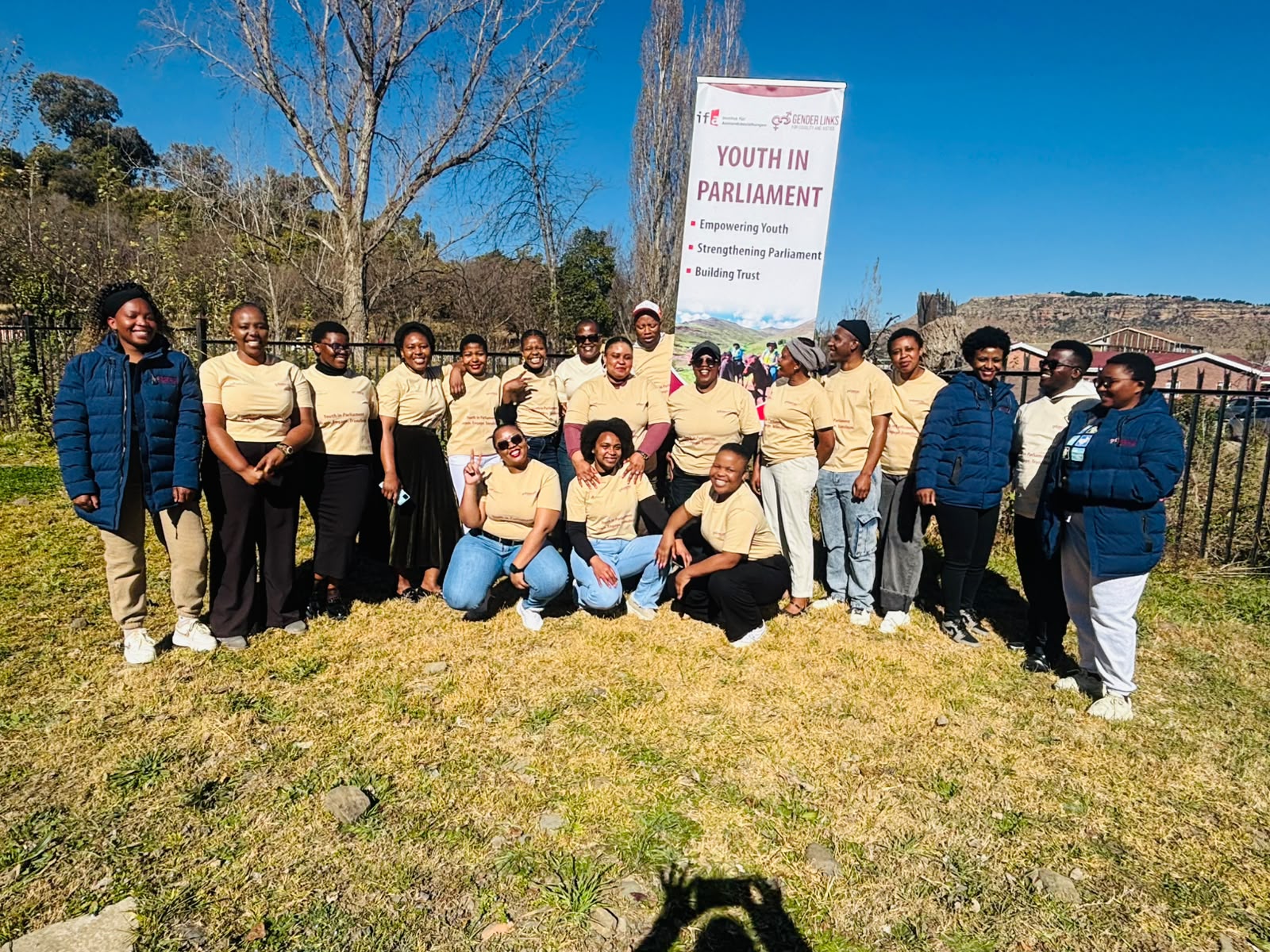
Who Gets to Speak for the Mosotho? The Parliament We Have, and the Parliament We Need
With only three young MPs and zero women representing youth in Parliament, this article reflects on Gender Links Lesotho, in partnership with MISA Lesotho, workshop on youth participation, gender equality, and the critical role of accountability journalism.
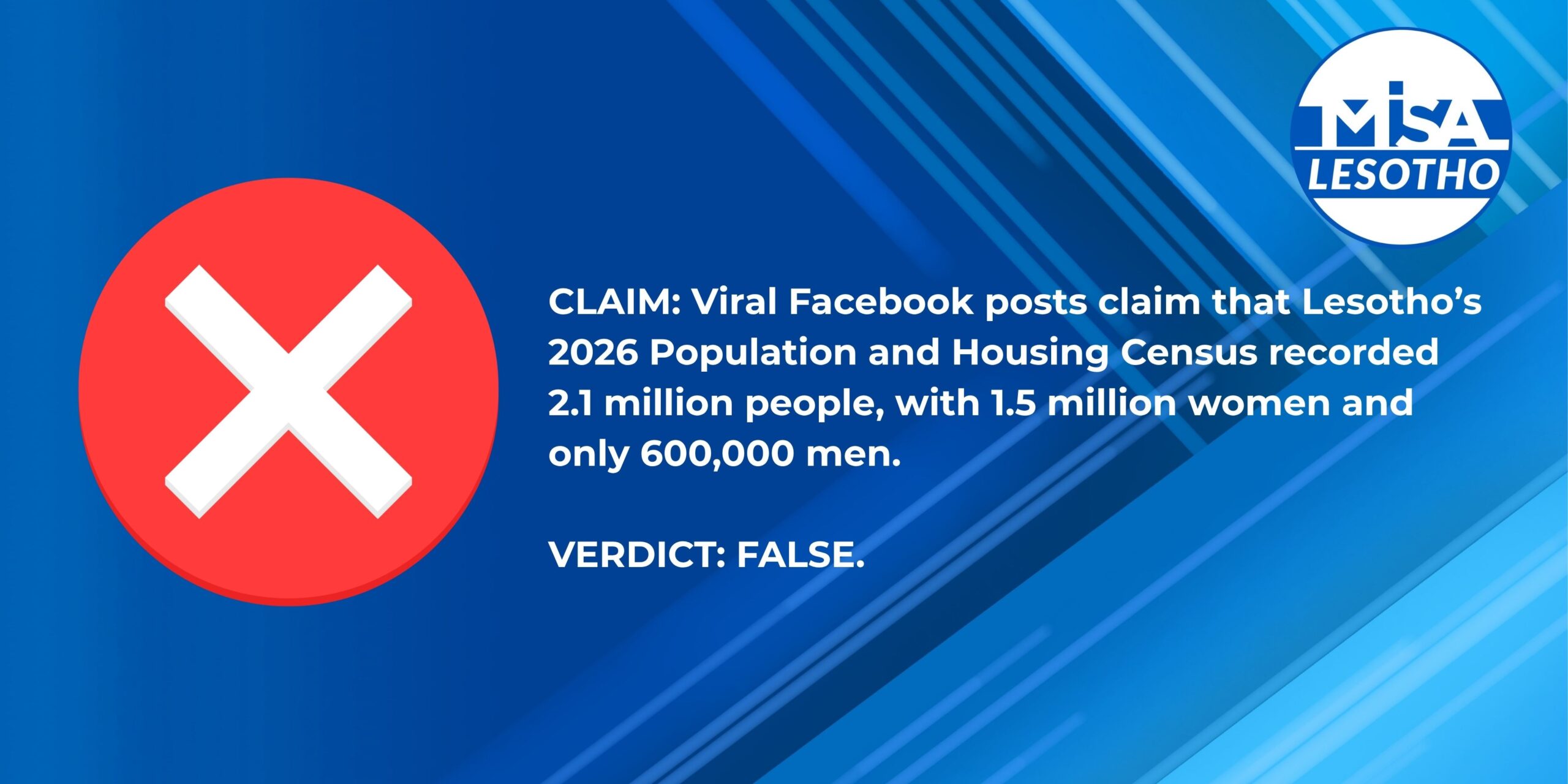
FALSE: Lesotho’s 2026 Census Results Have Not Yet Been Released
Viral posts claim Lesotho’s 2026 census recorded 2.1 million people, with 1.5 million women and 600,000 men. However, the Bureau of Statistics confirms no official report has been published, warning that false figures risk eroding public trust while data verification remains ongoing.
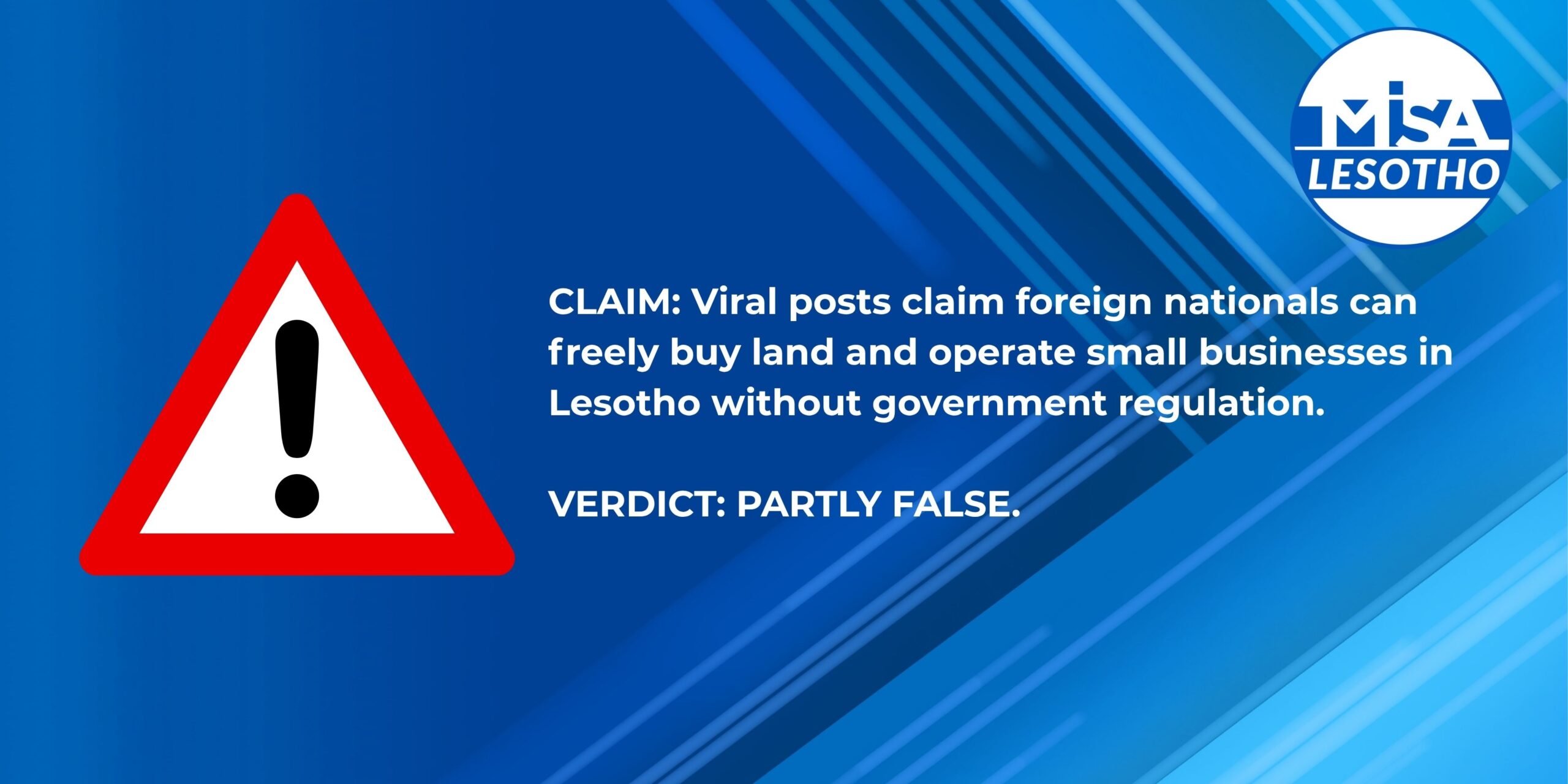
PARTLY FALSE: Lesotho’s Constitution and Trade Laws Prohibit Private Land Sales to Foreigners and Reserve Small Business Sectors for Citizens
Claims that foreign nationals can freely buy land and operate small businesses in Lesotho without regulation are legally false and risk fueling xenophobic hostility. In reality, Section 107 of Lesotho’s Constitution prohibits outright private land sales to anyone, while national trade laws explicitly reserve micro-business sectors exclusively for Basotho citizens.