Nicole Tau
Acting National Director, MISA-Lesotho
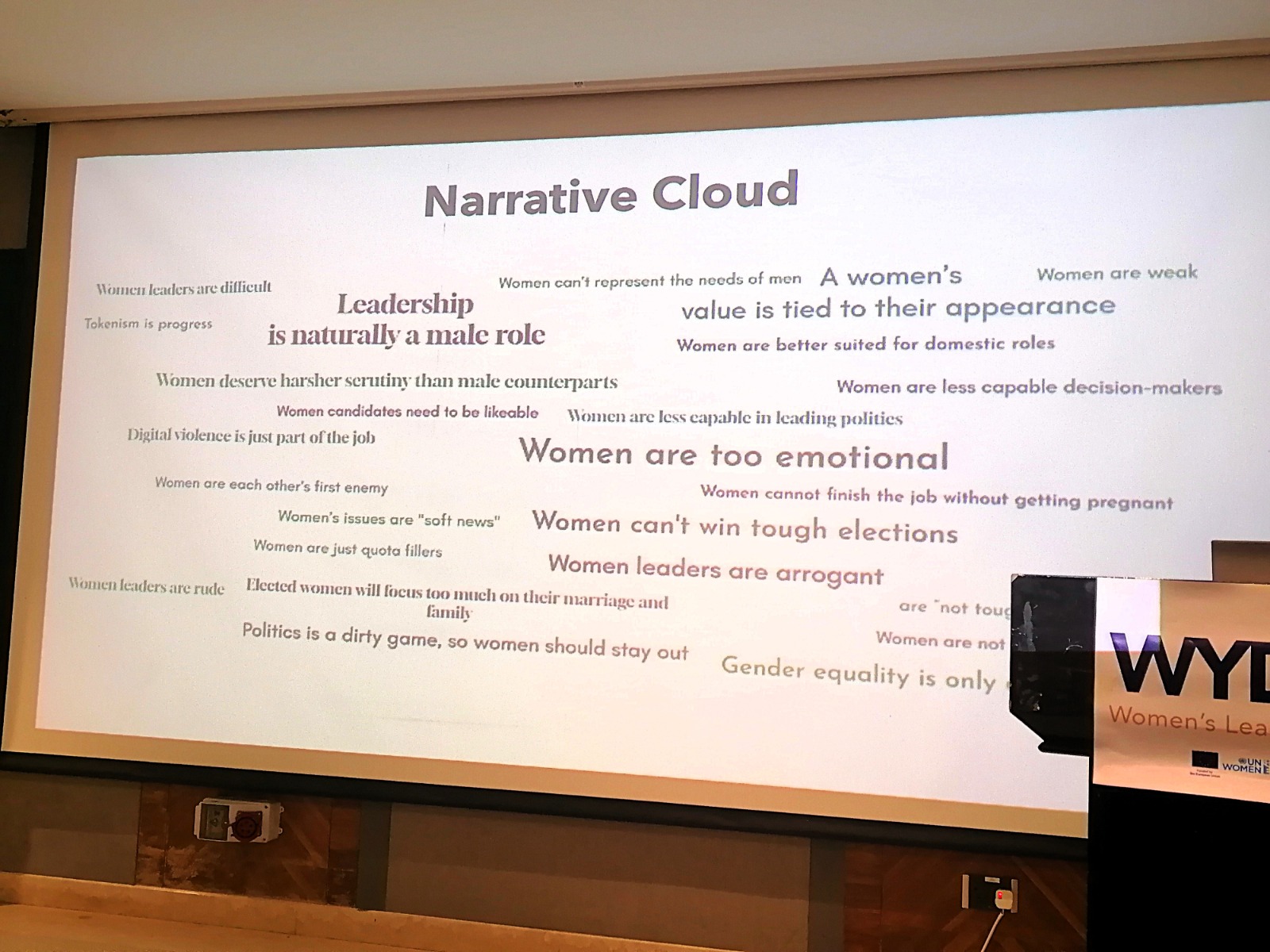
The most powerful barriers are often the ones we cannot see. They don’t appear in legislation or constitutions. They live in the questions we ask, the headlines we write, the jokes we laugh at and the expectations we place on others. If these invisible rules shape who gets to lead, who gets to speak and who gets to belong, shouldn’t we start talking about them?
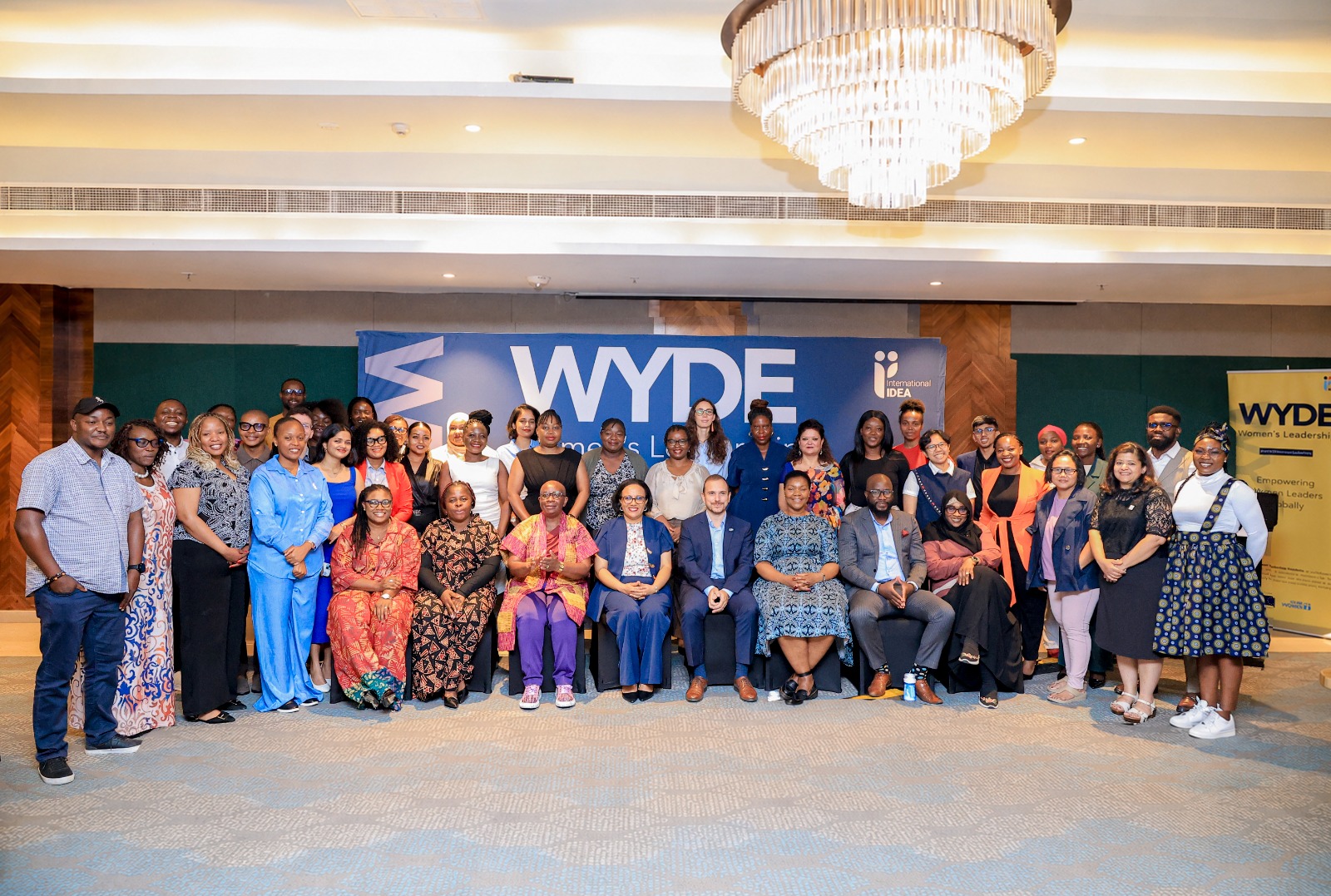
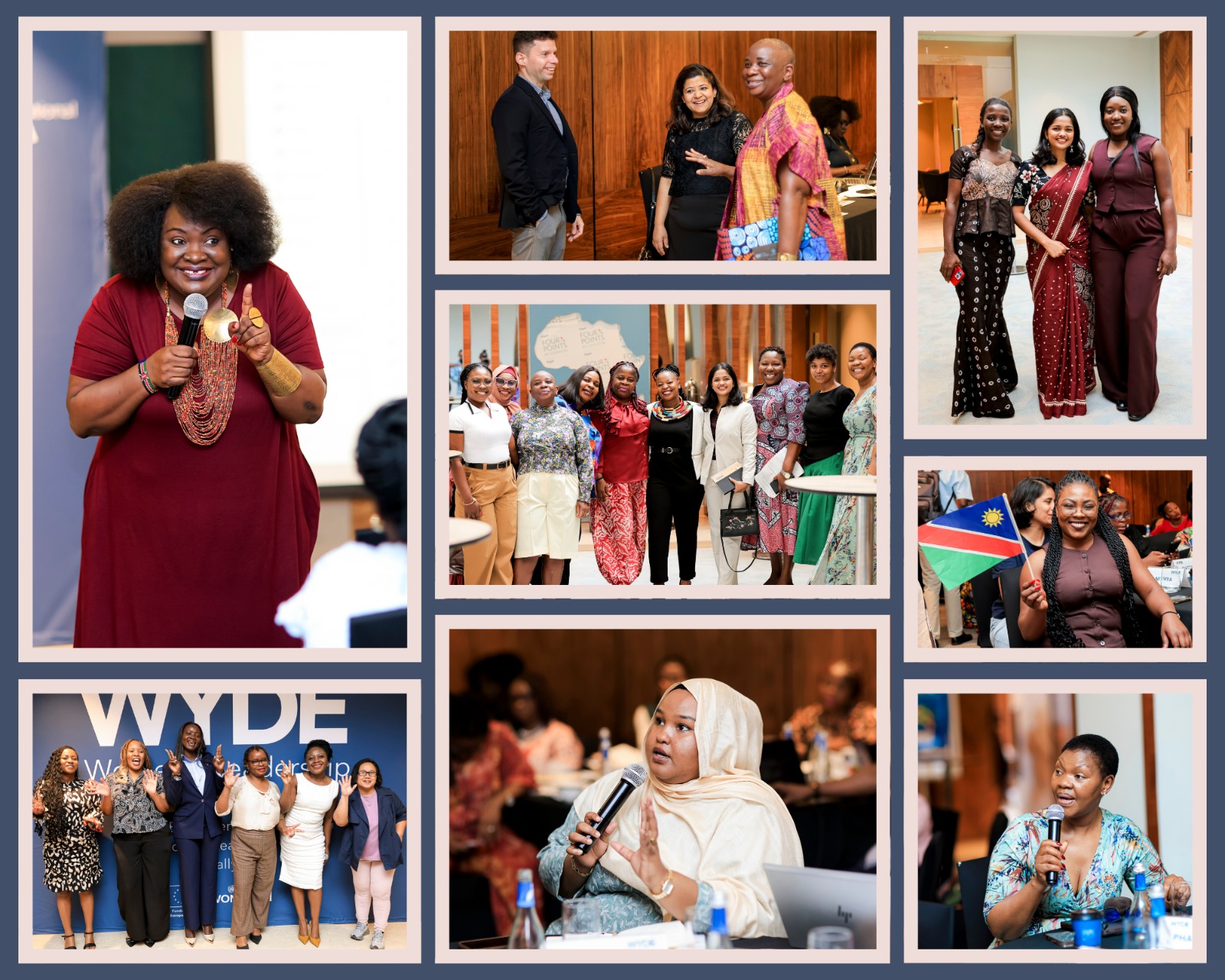
When I travelled to Kigali, Rwanda, last week, to attend the Women and Youth Democratic Engagement (WYDE) Media Seminar organised by the International Institute for Democracy and Electoral Assistance (International IDEA) with support from the European Union and UN Women, I knew I would learn something new. I just didn’t expect to leave with such a profound sense of global solidarity, and a renewed weight of our responsibility as the Fourth Estate.
The seminar brought together 27 journalists and media practitioners from across Africa and Asia to explore one pressing question: How can the media help transform harmful social norms that continue to limit the participation and representation of women and youth in politics?
The WYDE initiative, specifically its Women’s Leadership component, seeks to transform these norms through what International IDEA identifies as the APRT framework: Access, Participation, Representation, and Transformation.
This approach acknowledges that while many countries have progressive laws on paper, implementation fails because the “invisible rules” of society continue to act as gatekeepers.
Global evidence demonstrates why this work matters.
According to the Inter-Parliamentary Union (IPU) Women in Parliament Report (2025), women occupy only 27.2% of parliamentary seats globally, while women under 30 account for just 1.2% of parliamentarians worldwide.
UN Women has similarly documented the growing threat of Technology-Facilitated Gender-Based Violence (TFGBV) with its 2026 Tipping Point Evidence Brief, one in four women surveyed reported exposure to AI-assisted abuse, including deepfakes and manipulated imagery.
The study also found that 45% of women journalists practise self-censorship to avoid online abuse, a dramatic increase from previous years.
These figures are not simply statistics. They represent women whose voices are diminished long before they reach positions of leadership.
Yet despite coming from different countries, political systems and cultures, our conversations revealed something remarkable.
The world became smaller.
From South Africa to Kenya, Liberia to Sierra Leone, Somalia to Nepal, the Philippines and beyond, participants shared experiences that sounded strikingly familiar. Harmful stereotypes. Sexist reporting. Online harassment. Questions about women’s appearance instead of their policies. Leadership measured against standards that men are rarely expected to meet.
The similarities were impossible to ignore.
As journalists, we also had to confront an uncomfortable truth. The media is not always just reporting these inequalities. Sometimes, we are helping to sustain them.
The three-day intensive was less a conventional workshop and more of an intellectual audit, steered by Rumbidzai Kandawasvika-Nhundu, International IDEA’s Principal Adviser for Democracy and Inclusion, and lead consultant Mildred Ngesa, a veteran media specialist and advocate.
Together, they pushed us beyond the safety of critiquing external political systems, demanding instead that we confront our own “aha! Moments” the realization that as journalists, we are the very “trendsetters” who have been unconsciously framed by the discriminatory social norms we were now tasked to dismantle.
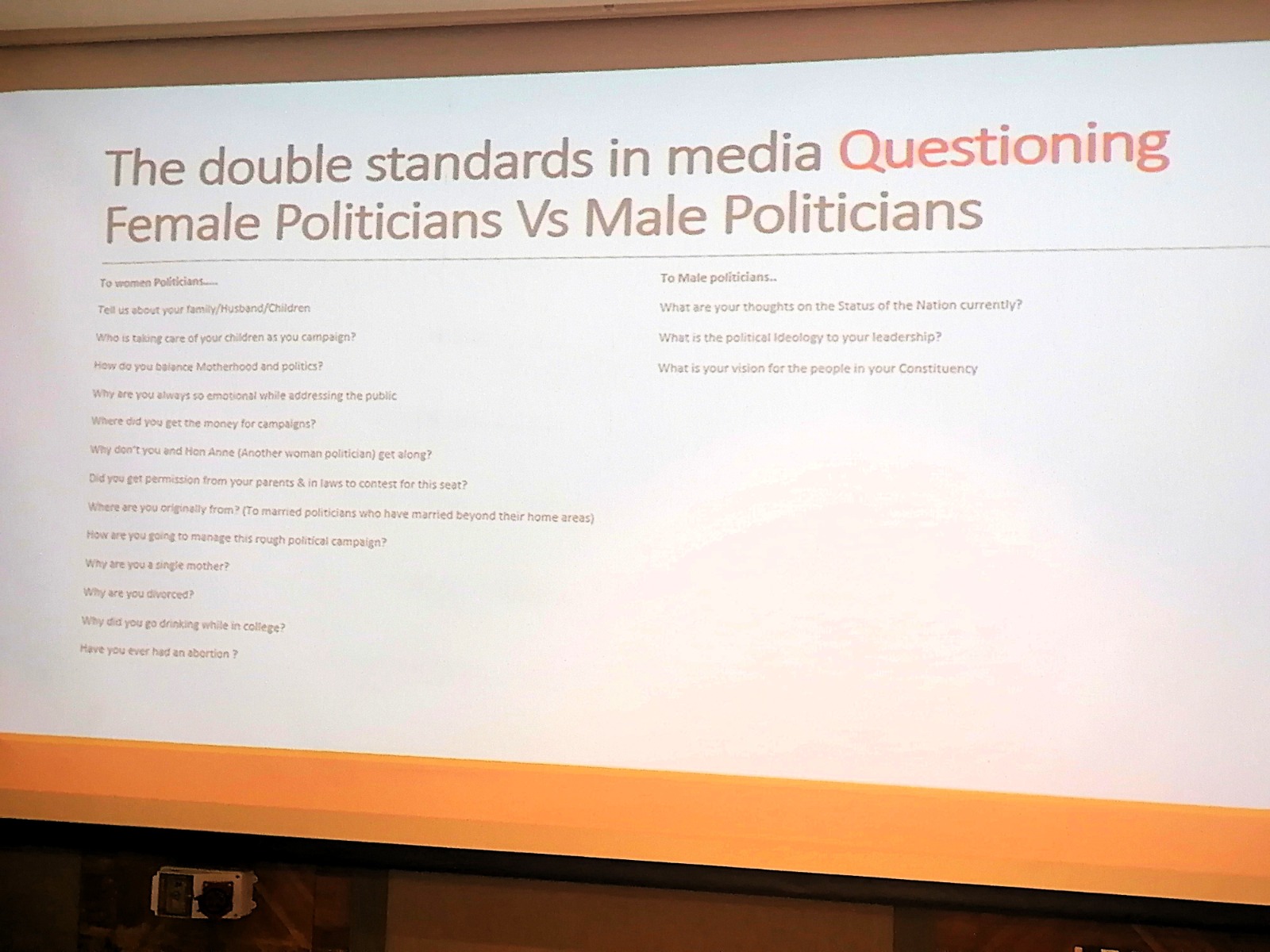
How do we frame stories about women? Which photographs do we choose? Which headlines do we write? What questions do we ask female politicians that we would never ask men? How often do we unknowingly reinforce stereotypes while believing we are simply reporting the news? These were uncomfortable questions, but they were also necessary ones.
The discussions introduced us to concepts such as Gender Transformative Journalism, an approach that goes beyond merely including women in news stories. Instead, it encourages journalists to actively challenge the social norms and power structures that limit women’s participation in public life. That distinction matters.
Journalism is never entirely neutral when discrimination is involved. Every editorial decision, every photograph, headline, source and quotation, either sustains existing inequalities or helps challenge them.
As Acting National Director of MISA Lesotho, I attended the seminar already aware that our media landscape has challenges. But, I returned, understanding those challenges differently.
Lesotho has made encouraging progress in appointing women to some of the country’s highest public offices, including the Deputy Prime Minister, the Ombudsman and the Minister of Communications. Yet representation alone is not enough if women continue to face biased reporting, disproportionate scrutiny and gendered abuse whenever they occupy positions of influence.
The seminar also highlighted how technology has amplified these challenges.
Technology-Facilitated Gender-Based Violence extends far beyond offensive comments. It includes coordinated online harassment, misinformation campaigns, manipulated images, sexual intimidation and targeted efforts to silence women in public life. Many of these attacks have become so normalised that they rarely attract the attention they deserve. Their consequences, however, are profound.
Women withdraw from public conversations. Journalists begin censoring themselves. Young women decide politics simply is not worth the abuse. Democracy loses voices before they have the opportunity to be heard.
Although our context differs from that of many countries represented in Kigali, we are not immune to these patterns. Women in public life continue to face commentary about their appearance, their personal lives and their suitability for leadership in ways that male counterparts rarely experience. Social media has further accelerated the spread of harmful stereotypes, while existing regulatory and policy gaps continue to complicate efforts to promote ethical journalism without undermining media freedom.
The seminar reinforced something I have believed for a long time: journalism carries enormous power. Often described as the Fourth Estate, the media does not merely document society, it shapes it.
If the media reproduces harmful stereotypes, sensationalises women leaders or normalises online abuse, then it cannot claim to be strengthening democratic participation. It becomes part of the very system it ought to hold accountable.
Throughout the three days, participants collectively contributed experiences, insights and recommendations that will inform the development of a forthcoming Media Guide on reporting women and youth in politics. Rather than reviewing a completed publication, we participated in shaping the thinking that will underpin the guide, ensuring it reflects the realities experienced across different countries and media systems.
The discussions extended well beyond the guide itself.
Participants explored practical ways newsrooms can improve their reporting, including adopting gender-sensitive editorial policies, developing reporting checklists that help identify unconscious bias, strengthening newsroom training and making better use of digital monitoring tools to assess coverage ethically rather than relying solely on sensationalism to drive engagement.
For Lesotho, these conversations could not be more timely.
Alongside stronger newsroom practices, we still need a comprehensive media regulatory framework that protects both media freedom and professional accountability. Ethical journalism and media freedom are not competing values; they reinforce one another. A healthy regulatory environment should protect journalists while encouraging reporting that serves the public interest without perpetuating discrimination.
One of the seminar’s most encouraging aspects was that nobody arrived knowing everything.
Some participants had spent years working on gender issues. Others were only beginning that journey. By the end, we shared a common understanding that we will now travel back to our respective countries, informing newsroom practices, advocacy initiatives and future media programmes.
That may ultimately be the seminar’s greatest success. The learning did not remain in Kigali, it travelled home with every participant.
I returned from Rwanda not simply inspired, but equipped, with better questions, stronger tools and a renewed sense of professional responsibility.
International IDEA, the European Union and the WYDE initiative have demonstrated tremendous confidence in the media’s ability to advance democratic inclusion. They are providing the frameworks, but we are the ones who have to “pick up the phone” and do the work. The media holds immense power to shift national consciousness, and that power demands absolute professional accountability.
The media is often described as the Fourth Estate because it holds power accountable. That responsibility also requires us to examine our own profession. If we are not actively challenging the harmful social norms embedded within our reporting, our headlines and our newsrooms, then we risk becoming complicit in preserving them.
Moving forward, Lesotho’s newsrooms must also evolve. Instead of relying on sensationalist tropes to drive traffic, media houses need to adopt modern digital tools to monitor their own content patterns ethically. We need to implement concrete templates and tools, such as gender-sensitive reporting checklists, binding newsroom editorial policies, and a robust national regulatory framework.
The Seminar in Kigali also encouraged us to use an intentional “5Ws and H” framework to normalize gender-transformative reporting. As our seminar lead consultant, Mildred, powerfully stated in her final call to action: “Ashe Enkai!” (a Maasai blessing and call to purpose).
For democracy to truly thrive in Lesotho, the media can no longer sit on the sidelines recording the oppression of women. It’s time for us to pick up the tools of our trade and become the architects of an inclusive narrative.