Nicole Tau
When a citizen cannot enter a government building to access basic services, the limitation is not in their physical form. The limitation is in the architecture. When a voter cannot cast a ballot because a polling station lacks a ramp, the deficit belongs to the state, not the individual.
Yet, when Lesotho’s media reports on persons with disabilities, newsrooms rarely interrogate the architecture or hold the state to account. Instead, coverage defaults to something much easier, and far more damaging: pity.
“When a person is reduced to their impairment, the person disappears behind the disability.”
This reflection anchored a two-day capacity-building workshop convened in Maseru on September 9 -10, 2026. Organized by the Persons with Disability Advisory Council (PWDAC) in partnership with Lesotho National Federation of Organisations of the Disabled (LNFOD) and Media Institute of Southern Africa (MISA) Lesotho, the training brought together 27 journalists from print, broadcast, and digital newsrooms across the country to confront a persistent editorial blind spot.
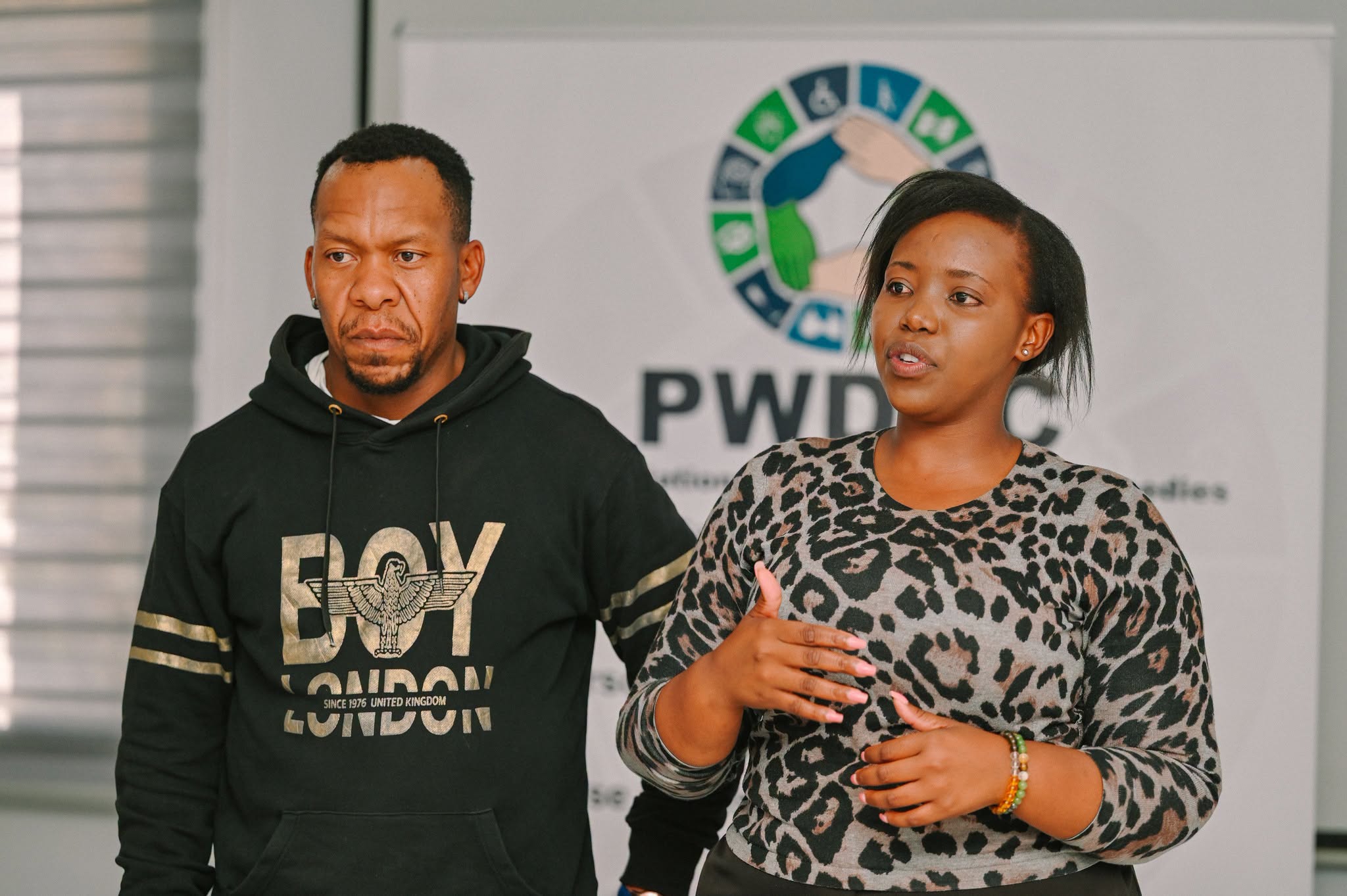
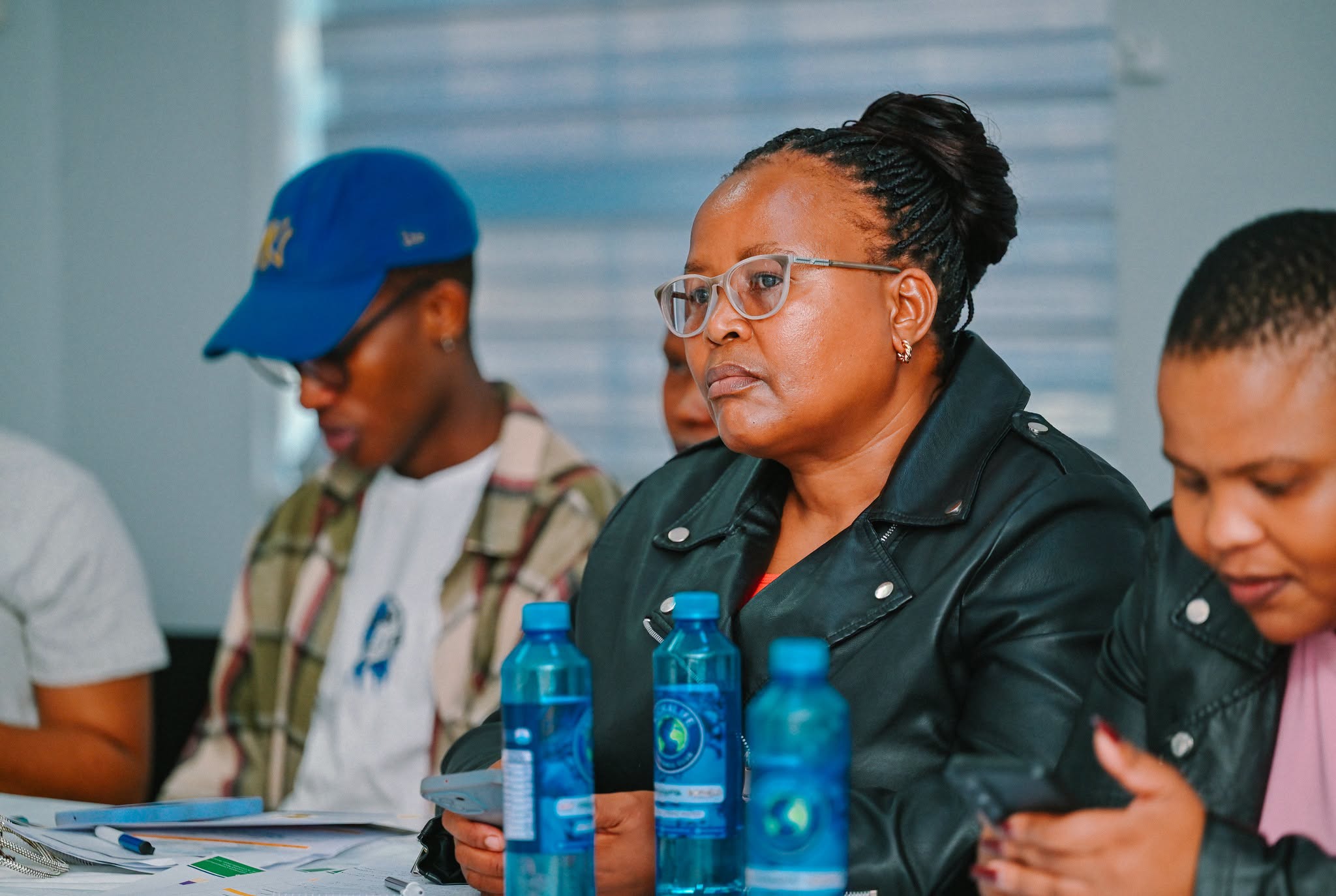
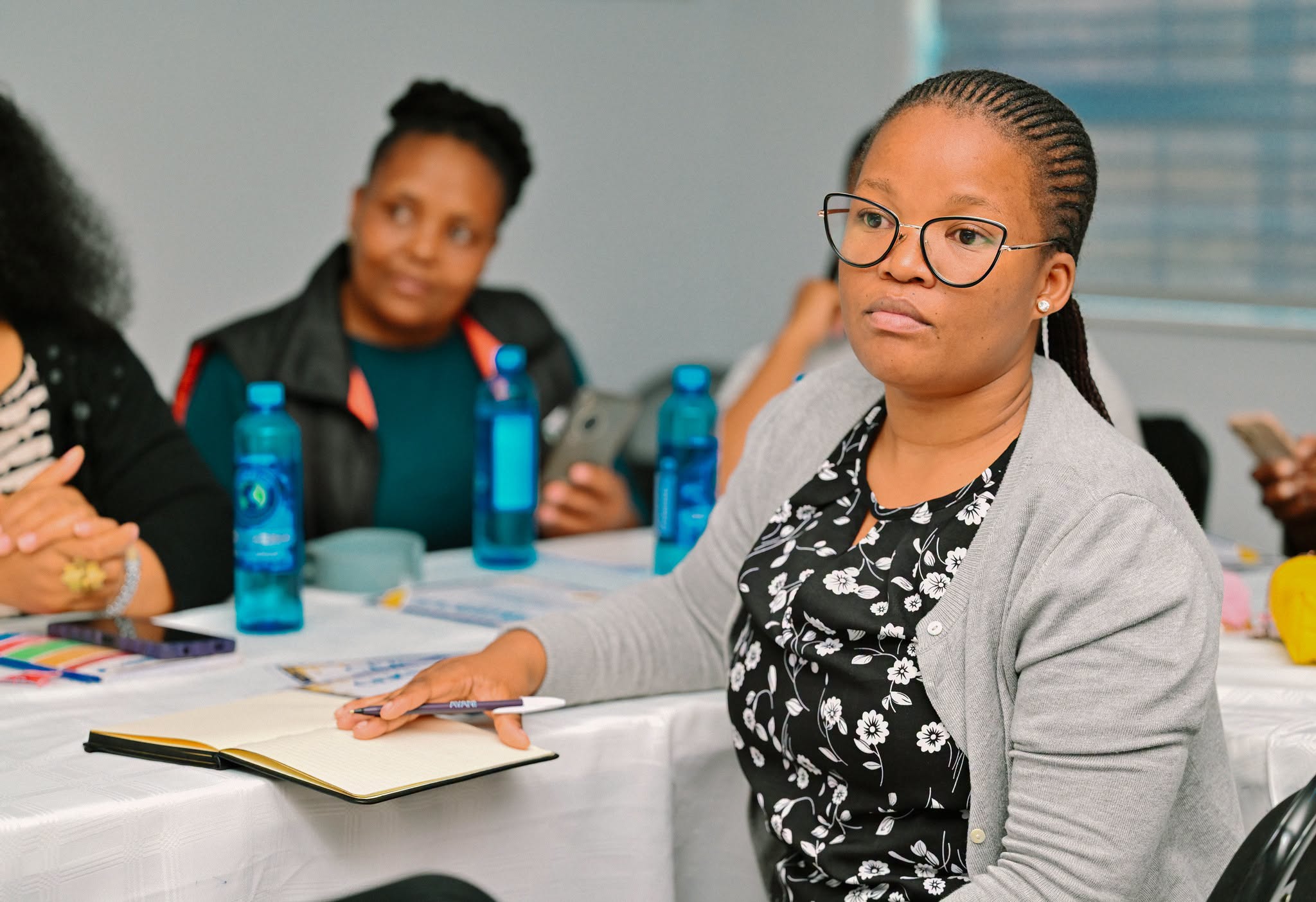
Picture Credit: The Post
PWDAC is an independent statutory body established under Section 4 of the Persons with Disability Equity Act of 2021 and aligned with UN Convention on the Rights of Persons with Disabilities, which Lesotho aceeded to in 2008. PWDAC’s goal is to achieve an inclusive Lesotho where all persons with disabilities enjoy equal rights, full participation and opportunities for independent living and development.
For years, the narrative surrounding disability in Lesotho’s news coverage has swung between two extremes. On one end is the charity trope, portraying persons with disabilities as helpless victims waiting for government hand-outs or NGO benevolence. On the other is the “superhero” narrative, where simply navigating a discriminatory society is framed as an extraordinary feat. Both angles achieve the same outcome: they strip individuals of their ordinary humanity and obscure the systemic failures that deny them their fundamental rights.
Disability is not an inherent inability to function. It is the friction created entirely by external societal, physical, and structural barriers that fail to accommodate human diversity. When public health messages are locked away from Deaf citizens, or when national policies are formulated without accessibility standards, the system is disabled. When journalists fail to ask why these barriers exist, they inadvertently protect the institutions responsible for them.
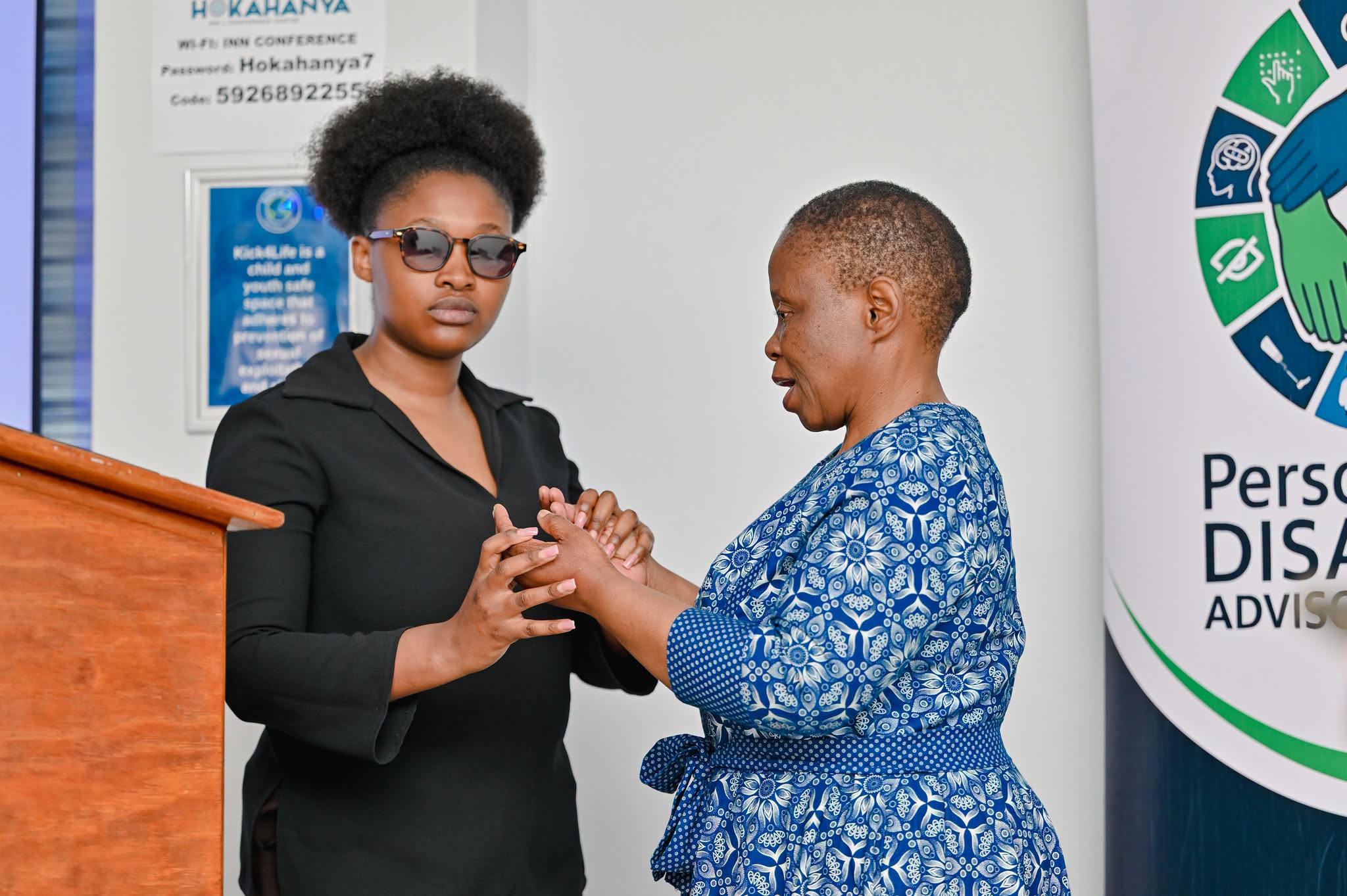
Picture: PWDAC Chairperson ‘Matšepiso Mokhoromeng
Addressing the cohort, PWDAC Chairperson ‘Matšepiso Mokhoromeng urged reporters to make disability issues a permanent, normalized feature of everyday news coverage rather than treating them as isolated, special-interest stories. She emphasized that “disability is not an inability,” and that inclusive reporting is a necessary tool for driving positive behavioral change across Basotho society. Her message to newsrooms was clear: journalists must recognize persons with disabilities as active citizens: teachers, lawyers, farmers, politicians, and entrepreneurs, who contribute directly to Lesotho’s development.
Achieving this requires a fundamental shift in daily newsroom mechanics, from the language chosen in headlines to the visual framing of photographs.
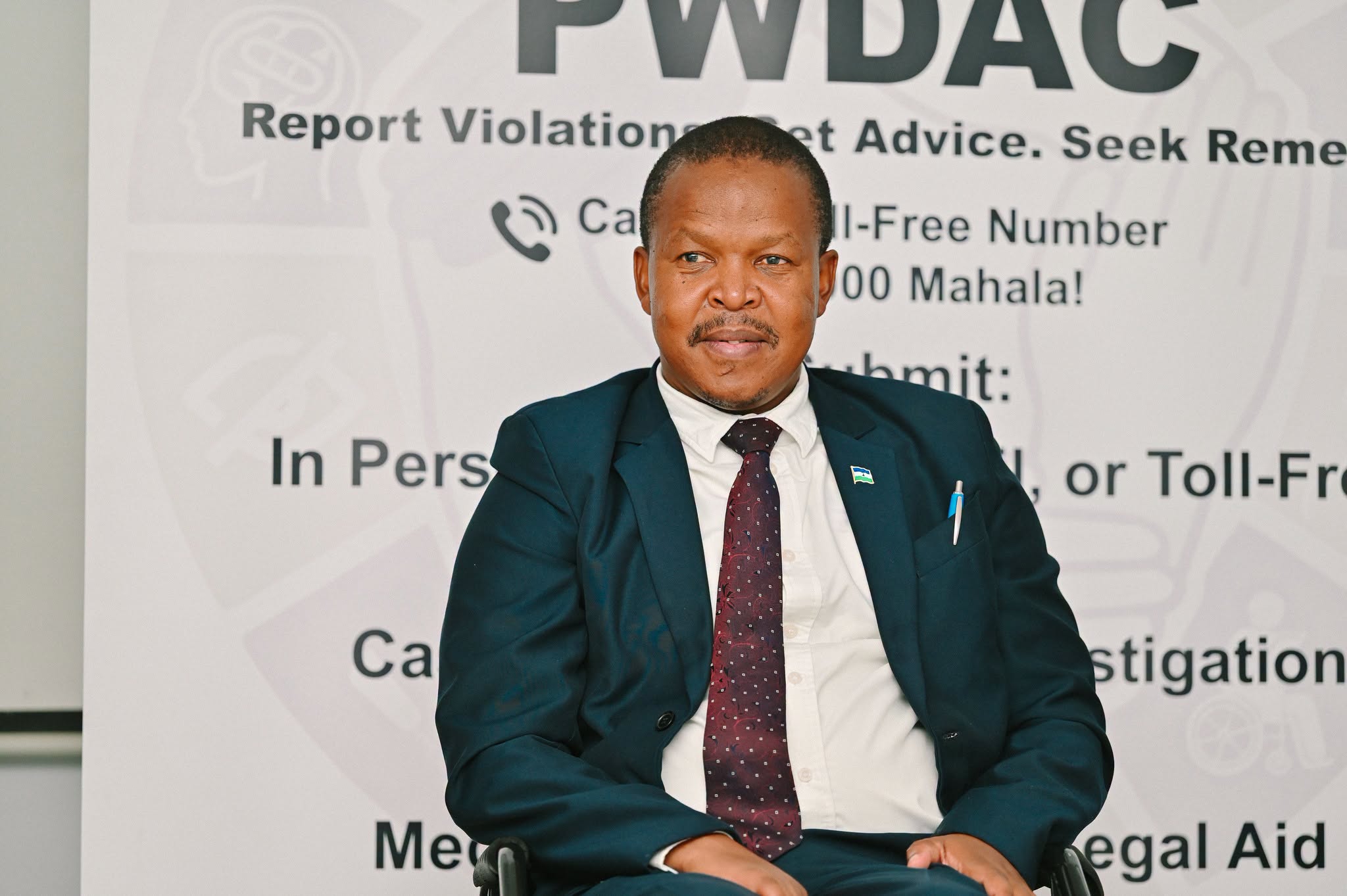
Delivering the closing remarks on the second day of the workshop, the Minister of Gender, Youth and Social Development, Pitso Lesaoana, underscored the media’s power to shape public perception and policy priorities. He challenged reporters to abandon the habit of speaking on behalf of marginalized communities.
“Do not speak about persons with disabilities, but with them,” Lesaoana said, calling on journalists to give persons with disabilities the platform to articulate their own experiences and hold duty-bearers accountable.
For MISA Lesotho, this collaboration with PWDAC reinforces a core institutional truth: press freedom remains incomplete as long as entire segments of our population are systematically excluded from the national narrative. True media freedom is not merely the right to publish; it is the duty to reflect the lived realities and rights of every citizen.
The measure of this workshop will not be found in the certificates handed out in Maseru, but in the news stories produced in the months ahead. By moving from charity to accountability, journalism in Lesotho can stop reinforcing the barriers that isolate citizens, and begin exposing the institutional structures that need to be torn down.