Nicole Tau
In September 2026, a video (archived here) circulating on social media falsely claimed that the Human Immunodeficiency Virus (HIV) has never been proven to exist. The footage is a classic case of HIV/AIDS denialism, heavily recycling arguments from the “Perth Group“, a defunct, fringe collective from the 1990s whose core members lacked actual virology credentials.
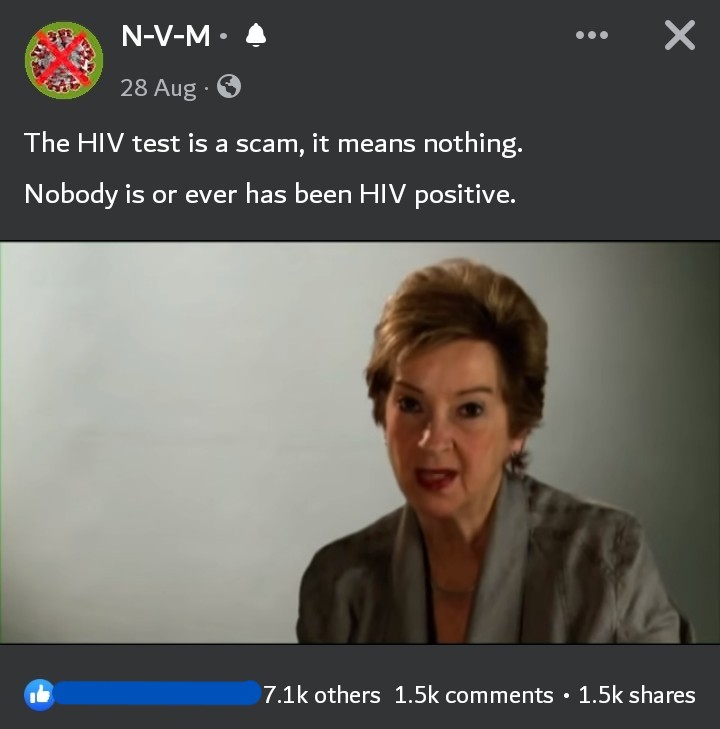
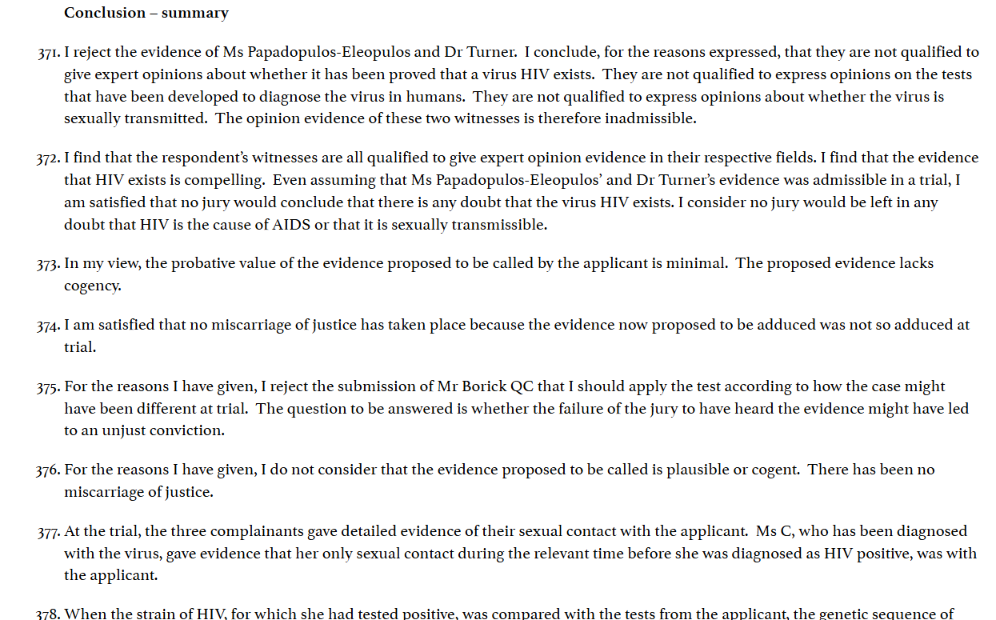
This group was famously discredited in a 2007 Australian court case, where a judge ruled their theories unscientific, not credible, and entirely rejected by the global medical community.
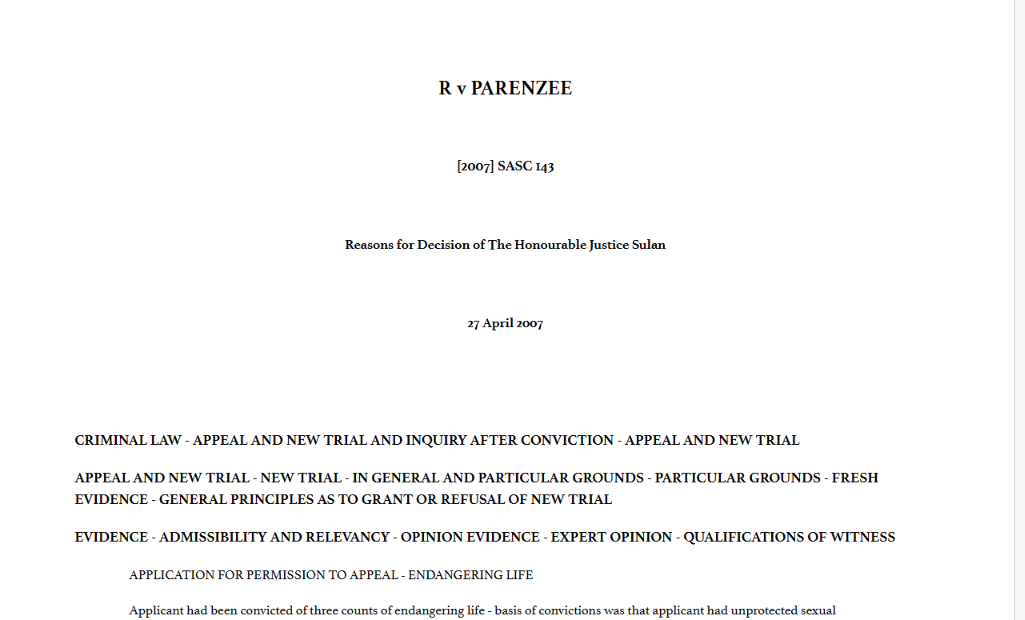
CheckDesk analyzed the video, which attempts to revive these debunked theories through four primary assertions: that HIV has never been isolated or purified, that it has never been taken directly from human blood, that diagnostic tests rely on unvalidated “indirect” markers, and that HIV proteins naturally exist inside healthy people.
The Origins of the Video: Recycled Misinformation
Before looking at the science, it is important to understand the origin of the footage. The video currently circulating on Facebook, published in September 2026, is not a new documentary or a recent scientific revelation.
Through Google reverse image search and script comparisons, CheckDesk tracked down the specific documentaries that were clipped and pieced together.
The footage heavily features the work of producer Joan Shenton, a prominent promoter of AIDS denialism, as she explores challenges to the mainstream scientific consensus regarding HIV and AIDS.
By comparing the viral video with archival footage in The HIV/AIDS Story, which features Shenton’s work from 1998 and 2011, we identified clips that had been taken from earlier productions and combined in a new sequence. The original footage can be viewed here.

The image on the left is from the claim video, while the image on the right, is the original video from which the claim video footage was extracted.
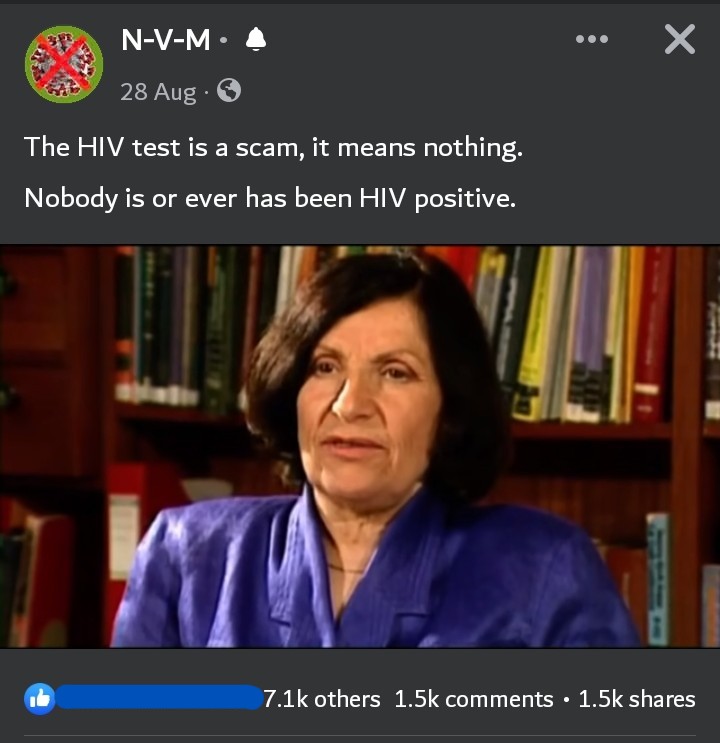
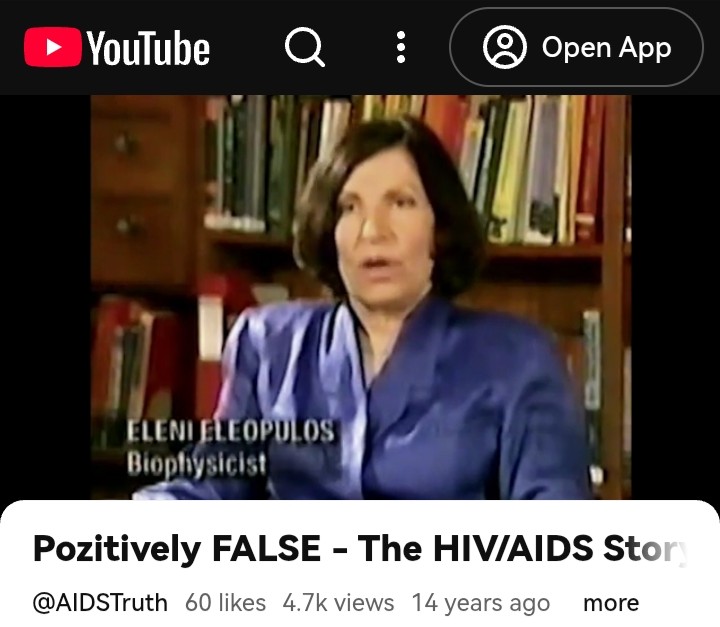
The Facebook video mixes newer narration by an older Shenton with archival footage of her from different periods, including her 1993 UK Channel 4 documentary AIDS – The Unheard Voices: Searchlight on AIDS, material from 1998, and her 2011 documentary Positively False: Birth of a Heresy [HIV/AIDS]. The resulting edit brings together footage from different eras without clearly distinguishing its original contexts.
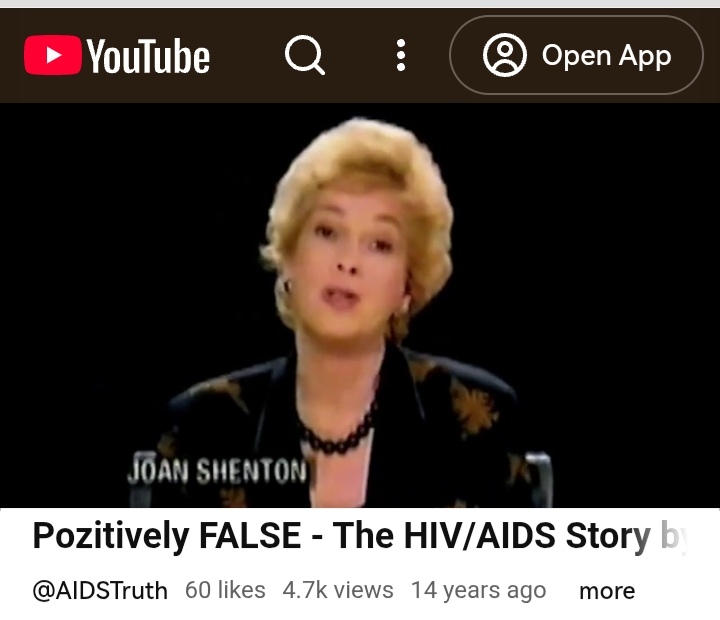
On the left is archival footage of AIDS denialist producer Joan Shenton from 1998. On the right is an older Shenton providing updated narration in her 2011 documentary, Positively False: Birth of a Heresy.
In some parts, this decades-old footage has been digitally enhanced for better quality to disguise its age. By mixing old archival footage with newer narration, the edited Facebook video attempts to package 30-year-old debunked theories as if they are current, valid scientific debates. They are not.
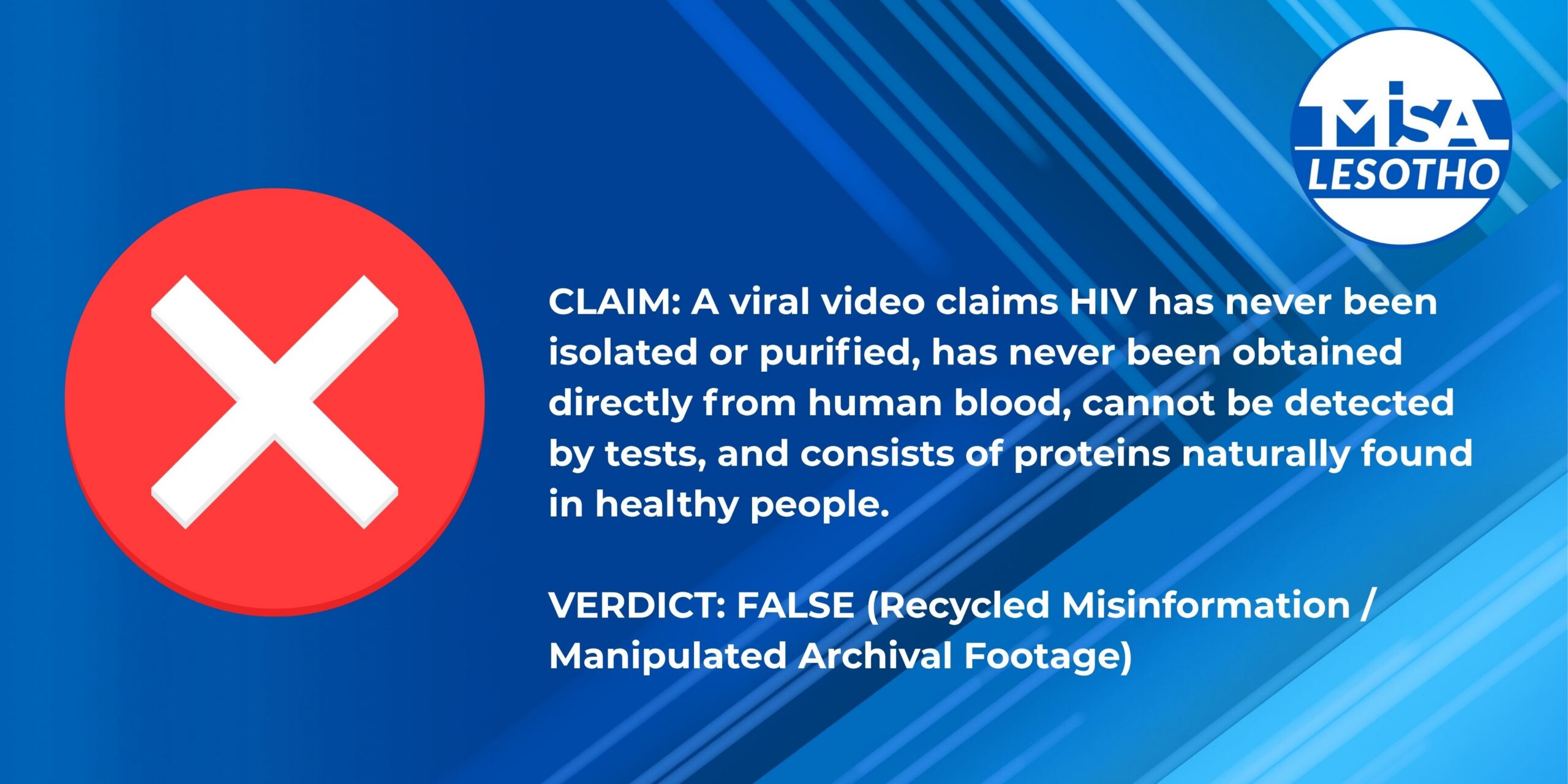
CheckDesk evaluated the video and identified four main claims, all of which are false and contradicted by over 40 years of peer-reviewed virological research.
Claim 1: “HIV has never been proven to exist because it’s neither been purified nor isolated.”
VERDICT: FALSE
According to the medical definition of a virus, viruses are completely parasitic, lack cell-like organelles, and cannot replicate without the metabolic processes of a host cell. Therefore, isolating a virus involves extracting it from an infected body (often utilizing its unique, microscopic ability to pass through filters), introducing it to healthy host cells in a laboratory culture, and observing its replication.
Unlike most other organisms that divide in two, viruses uniquely multiply in a sudden burst of thousands of new particles from a single virus.
“Isolating” a virus does not mean showing that it can survive and reproduce “on its own.”
According to the World Health Organization’s (WHO) most recent definition, HIV is a virus that breaks down the body’s immune system by destroying white blood cells, which makes it dangerously easy for one to catch severe diseases like tuberculosis or cancer. While the virus can be passed through specific bodily fluids or from mother to child, the WHO clarifies that it is never spread through casual contact like hugging or sharing food..
Today, HIV is highly treatable and preventable with antiretroviral medicine (ART). Crucially, untreated HIV can eventually lead to AIDS
According to a landmark 1983 study, “Isolation of a T-lymphotropic retrovirus from a patient at risk for acquired immune deficiency syndrome (AIDS)” published in the journal Science, a team of French researchers at the Pasteur Institute, led by Françoise Barré-Sinoussi and Luc Montagnier, successfully isolated a new virus from a patient at showing early signs of AIDS. This 1983 study was the exact historical moment that HIV itself was isolated for the very first time. The researchers placed the virus in living cells, watched it multiply, and confirmed its unique structure as a T-lymphotropic retrovirus.
Notably, the 1983 study does not have the acronym “HIV.” Because the researchers had just discovered the virus, the name “HIV” had not been invented yet. The French team initially called it “LAV,” while American scientists who isolated it shortly after called it “HTLV-III.”
In 1986, the global scientific community officially agreed to rename it the Human Immunodeficiency Virus (HIV) to avoid confusion.
This initial discovery was so definitive that it earned researchers the 2008 Nobel Prize in Medicine. Since then, scientists have used ultra-powerful electron microscopes to take direct photographs of HIV, clearly showing its distinct, cone-shaped core. You cannot photograph something that has not been isolated.
Claim 2: “The retrovirus HIV has never been obtained directly from a person’s blood.”
VERDICT: FALSE
Doctors and lab technicians pull HIV directly out of infected human blood every single day.
The 1984 study, “Frequent detection and isolation of cytopathic retroviruses (HTLV-III) from patients with AIDS and at risk for AIDS”, completely disproves this claim because obtaining the virus from human blood is exactly what the researchers did.
A team of American researchers led by Dr. Robert Gallo (who initially designated the blood isolate HTLV-III) drew blood samples from dozens of patients showing symptoms of AIDS. The team then successfully isolated the virus directly from human blood, complementing the historic 1983 isolation of the virus (initially named LAV) by French scientists Françoise Barré-Sinoussi and Luc Montagnier at the Institut Pasteur
The video tries to convince viewers that HIV is just a theoretical concept that was cooked up in a lab and never actually found in a human body. The 1984 study proves otherwise: scientists physically took blood from sick patients and pulled the virus directly out of their white blood cells.
Claim 3: “There is no way to test for HIV because all tests are based on indirect markers, none of which has been validated.”
VERDICT: FALSE
HIV tests are not based on vague guesswork or general signs of being sick. Scientists mapped out the virus’ complete genetic blueprint back in 1985, meaning modern tests target the exact physical pieces and genetic code of HIV itself.
According to the Institut Pasteur 2023 Press Kit, research teams fully sequenced the HIV-1 genome in 1985 (and HIV-2 shortly after). This breakthrough identified the virus’s core genes (gag, pol, and env) and allowed medical experts to build three direct, highly accurate ways to test for it:
- Genetic Tests (PCR / NATs): These search directly for the virus’s actual genetic material (RNA) in your blood, which is how doctors measure a person’s exact “viral load.”
- Antigen Tests (p24): These hunt for physical protein pieces that build the virus’s shell before your body even has time to manufacture antibodies.
- Antibody Tests (ELISA & Home Rapid Kits): These detect the specific defenses your body builds only when exposed to HIV’s unique physical structure.
As established in the World Health Organization (WHO) HIV Testing Guidelines, modern testing algorithms are globally mandated to achieve over 99% positive predictive value.
Rather than relying on general or unvalidated markers, WHO-approved testing strategies detect direct physical evidence of the virus, such as viral RNA via Nucleic Acid Testing (NAT) and the viral p24 protein shell, alongside specific anti-HIV antibodies, backed by a mandatory three-test verification protocol
Claim 4: “All the principal HIV proteins have been found in all manner of cells from healthy human beings who are HIV-negative.”
VERDICT: FALSE
The building blocks that make up HIV belong strictly to the virus. They do not exist as standard, natural parts of a healthy human body.
As detailed in the Institut Pasteur Press Kit (“40 Years After the Discovery of HIV”), HIV is a specialized retrovirus carrying two identical RNA strands wrapped inside a viral capsid. It relies on its unique reverse transcriptase enzyme to integrate into the host cell genome, a replication mechanism distinct from human biology. While human DNA contains harmless remnants of ancient viral evolution, healthy human DNA does not contain the specific genes, gag, pol, and env, that assemble the HIV virus.
The video claims that because human bodies naturally make HIV proteins, HIV tests are just detecting normal human biology. If this were true, every healthy person on earth would test positive for HIV. They do not. While an occasional non-HIV protein in a blood sample can trigger a mild “cross-reaction” on a single rapid screening test, the CDC Recommended Laboratory HIV Testing Algorithm dictates that standard laboratory confirmation tests must be used to easily separate these rare false alarms from a true HIV infection. According to the CDC Clinical Testing Guidance for HIV, these supplemental steps, including antibody differentiation assays and nucleic acid tests, accurately confirm true infections.
Why Misinformation About HIV Existence Is Dangerous
According to a landmark 2008 public health study, “Estimating the lost benefits of antiretroviral drug use in South Africa”, conducted by researchers at the Harvard School of Public Health and published in the Journal of Acquired Immune Deficiency Syndromes (JAIDS), the era of government denialism had devastating, measurable consequences. The researchers calculated that more than 330,000 preventable deaths occurred in South Africa between 2000 and 2005 simply because the government refused to implement a timely ARV treatment program.
Furthermore, the Harvard study found that an estimated 35,000 babies were unnecessarily born with HIV during that same five-year period because the government blocked widespread access to nevirapine, a drug used to prevent mother-to-child transmission.
Today, packaging these same 1990s denialist talking points into viral social media videos remains incredibly dangerous. Framing HIV as a “hoax” or an “unproven virus” actively encourages individuals to:
- Avoid routine and life-saving HIV testing.
- Decline preventive medicines like PrEP (Pre-Exposure Prophylaxis).
- Discontinue the daily antiretroviral therapies (ART) that keep the virus suppressed, prevent transmission to partners, and stop the onset of AIDS.
Final Verdict
| Claim Tested | Verdict |
| 1. HIV has never been isolated or purified. | FALSE |
| 2. HIV has never been obtained directly from blood. | FALSE |
| 3. There is no way to test for HIV. | FALSE |
| 4. Principal HIV proteins are naturally found in all healthy people. | FALSE |
OVERALL VERDICT: FALSE.
The edited Facebook video relies on tampered footage and debunked talking points from the 1990s. HIV was isolated in 1983, purified, visually catalogued, fully sequenced, and can be directly detected in human blood through viral proteins and genetic testing.
This fact-check was produced by Nicole Tau, CheckDesk at MISA Lesotho, as part of the African Fact-Checking Alliance’s (AFCA) incubation programme. It was produced with peer mentorship from Code for Africa’s fact-checking initiative, PesaCheck, with financial support from Norway Democracy. AFCA mentorship respects the journalistic independence of the researchers, offering access to advanced techniques and tools, while editorial decision-making remains with MISA Lesotho. Want to learn more? Visit: https://factcheck.africa/